

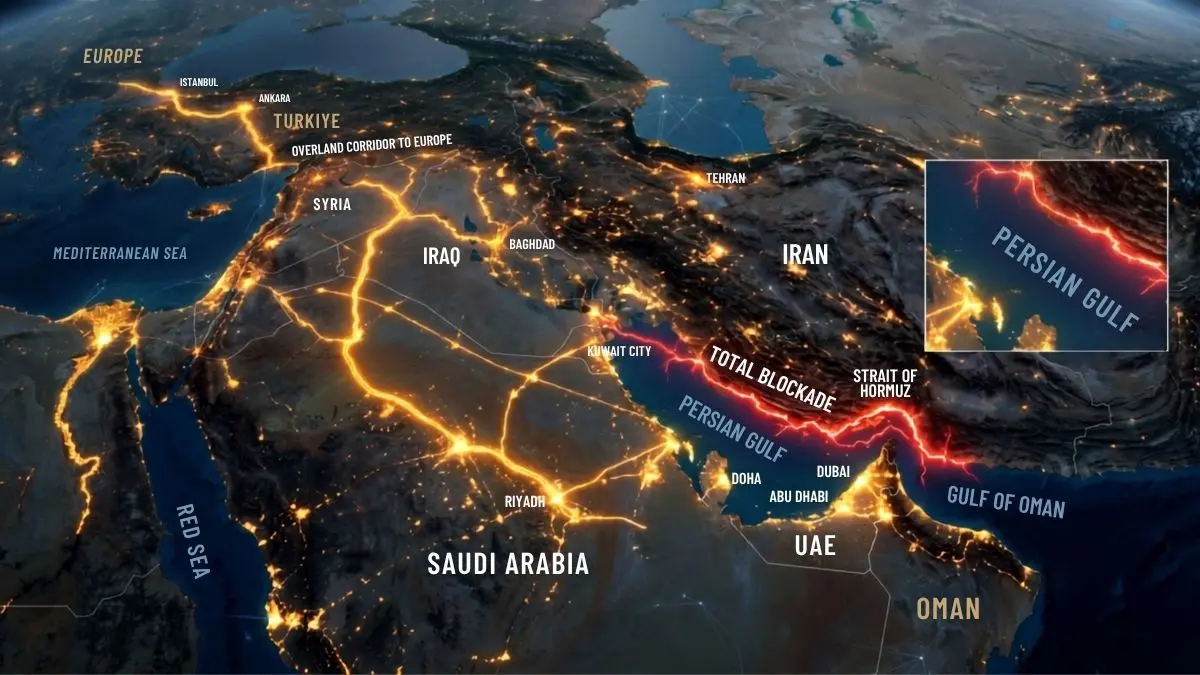
The geopolitical fault lines of the Middle East have fractured once again, sending immediate shockwaves through global energy markets. On May 18, 2026, the fragile equilibrium in the Persian Gulf collapsed as passage through the strategic Strait of Hormuz was abruptly restricted, conditional upon direct coordination with regional armed forces. With Brent crude instantly surging past the $110 mark and negotiations remaining paralyzed, the world is not merely facing a temporary supply chain disruption. We are witnessing the definitive end of an era: the structural collapse of Western reliance on vulnerable maritime chokepoints and the urgent necessity to construct permanent, secure overland trade arteries.
The Anatomy of a Systemic Paralysis
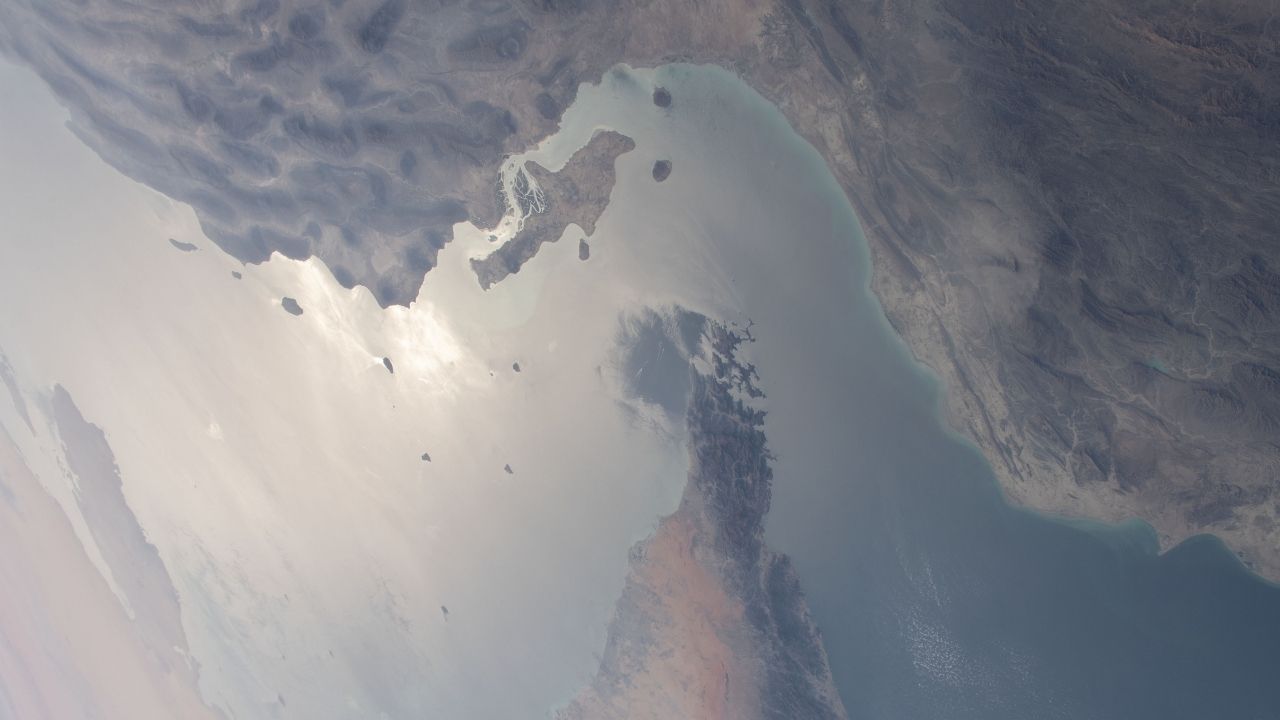
To understand the gravity of the current situation, one must look beyond the immediate political rhetoric and examine the raw mechanics of global logistics. The Strait of Hormuz is not just a body of water; it is the absolute jugular vein of the global energy economy. Historically, over one-fifth of the world’s total oil consumption and a significant portion of liquefied natural gas (LNG) pass through this narrow, 21-mile-wide channel.
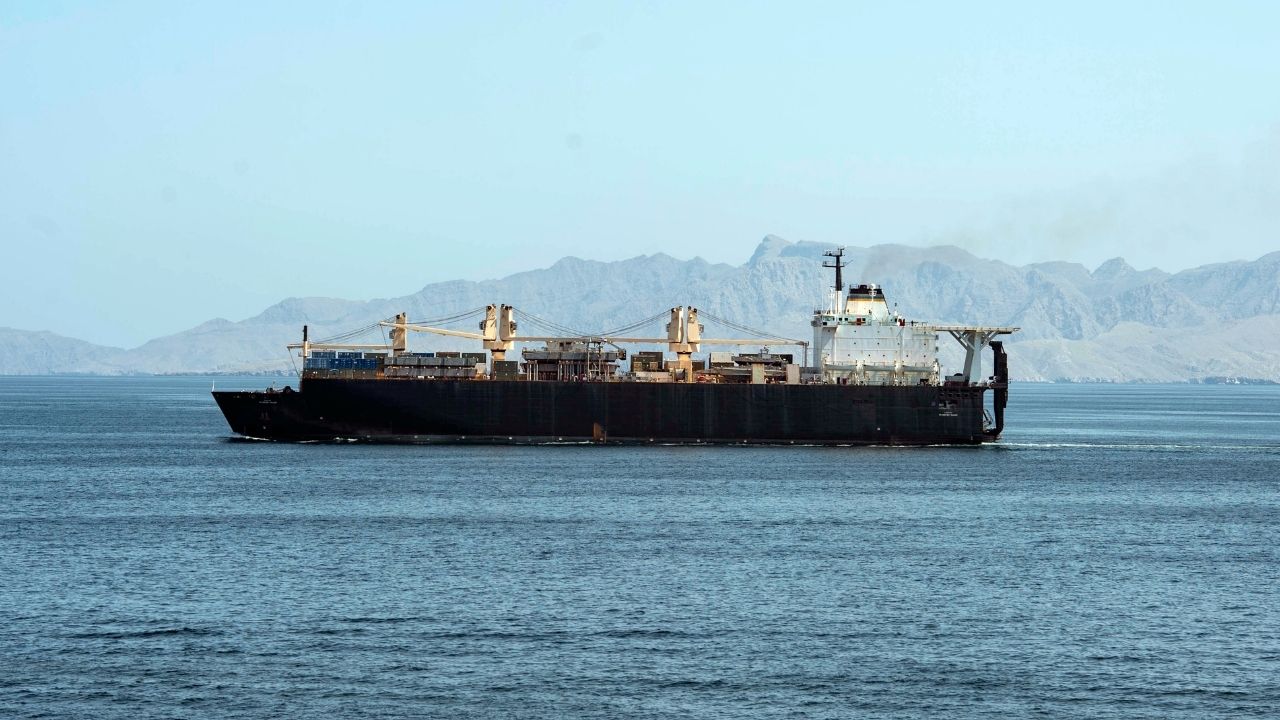
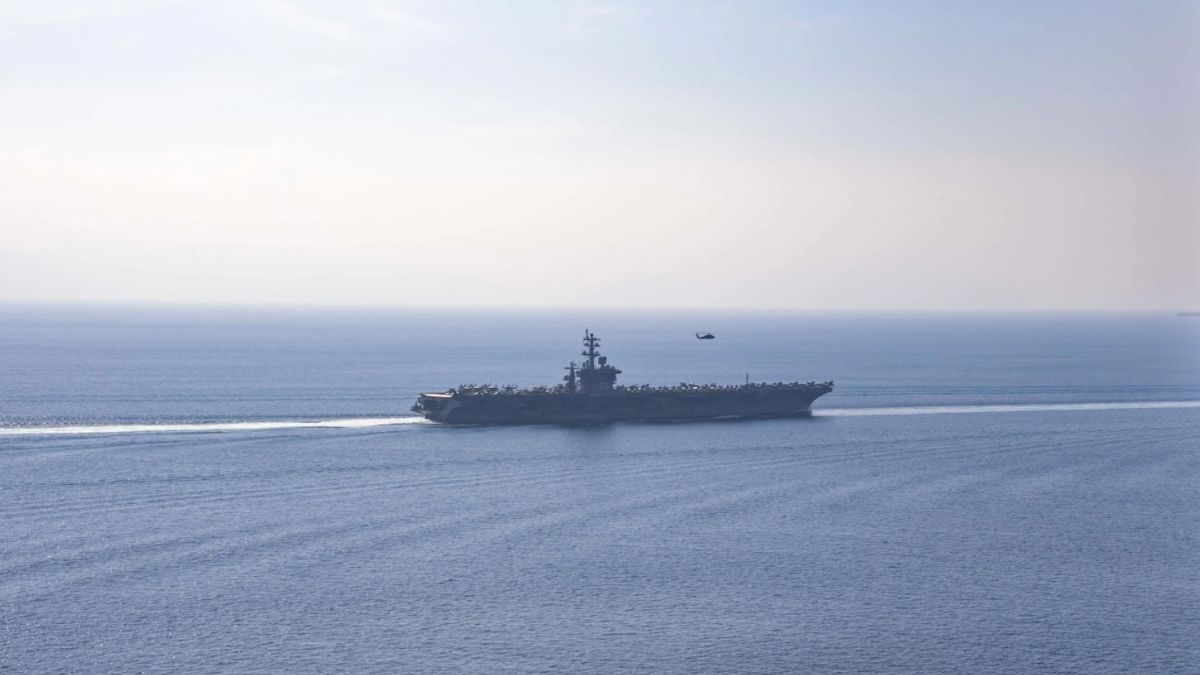
The recent declarations demanding localized military coordination for all passing vessels have effectively established a silent blockade. International insurance premiums for cargo ships have skyrocketed overnight, while major energy conglomerates are scrambling to halt maritime operations in the region. This is not a random occurrence but the predictable outcome of relying on a fundamentally fragile logistical architecture. When global superpowers attempt to synthesize security through temporary military deterrence rather than mutual stability, the resulting structure is always vulnerable to a single, localized spark.
The Illusion of Maritime Security
For decades, the predominant economic narrative has championed the efficiency of maritime routes from Asia and the Gulf to European markets. This system functioned under the illusion of permanent oceanic security. However, the events unfolding in 2026 have stripped away this facade, revealing a dangerous dependency.
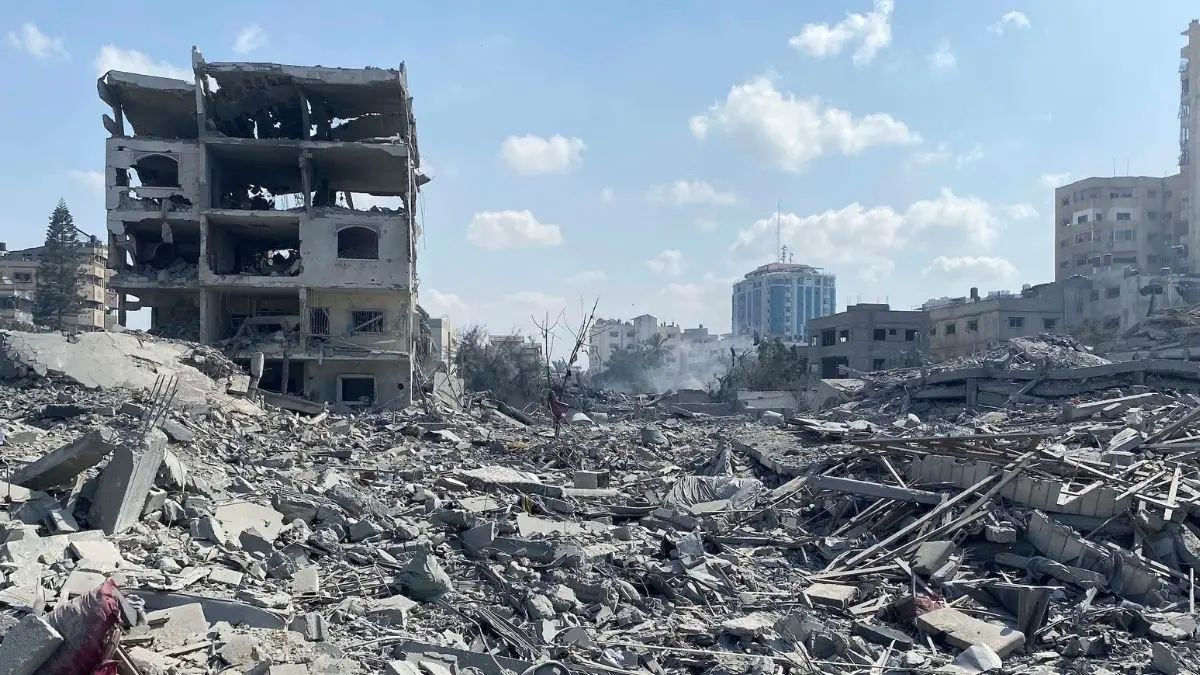
The ripple effects of this paralysis are already manifesting far beyond the Middle East. From sudden spikes in transport fuel costs across developing nations in Africa to the sudden recalculation of industrial energy strategies in Berlin and Paris, the realization is settling in: the old paradigm is dead. You cannot build a resilient global economy when your primary supply lines can be severed by a single geopolitical decree. The Western world’s logistical framework, heavily dependent on the Suez Canal and the Strait of Hormuz, is currently experiencing a logical and operational breakdown.
Forging a Rational Alternative: The Overland Imperative
Crises of this magnitude do not merely cause economic pain; they force systemic transformation. The current deadlock in the Gulf acts as a powerful catalyst, accelerating the transition toward alternative strategic corridors. If maritime chokepoints are no longer reliable, the global supply chain must physically relocate.
This is where the geopolitical center of gravity undeniably shifts toward Türkiye. The Development Road project and the broader Middle Corridor are no longer just ambitious infrastructure proposals; they are now urgent, existential necessities for global trade. By linking the Persian Gulf directly to Europe via advanced railway and highway networks through Anatolia, these overland routes bypass the volatile maritime chokepoints entirely.
Consider the strategic geometry: goods and energy resources can be transported from the port of Al-Faw directly into the heart of Europe, sheltered within a secure, sovereign overland framework. This pathway does not merely synthesize a temporary fix; it fundamentally reconstructs the economic architecture of Eurasia. Türkiye’s geographical positioning, combined with its robust state infrastructure, allows it to serve as the ultimate stabilizing bridge. It provides the secure, uninterrupted flow of resources that the current maritime system can no longer guarantee.
The Inevitable Restructuring
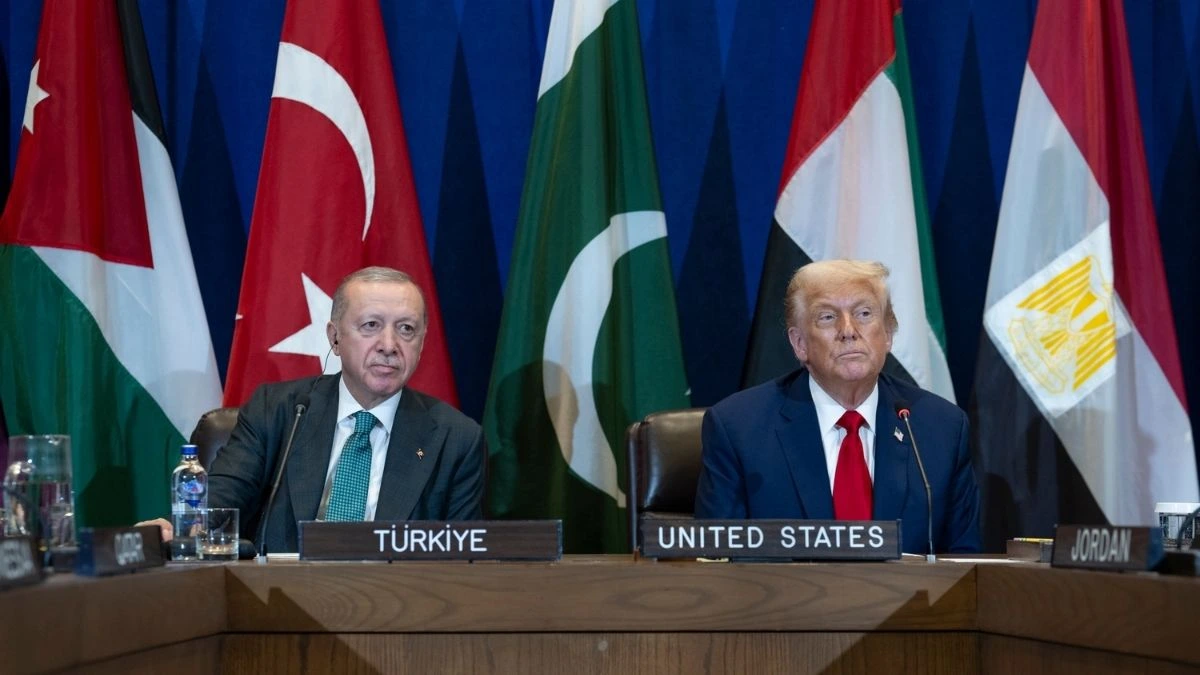
The global economy is a massive mechanism that continuously seeks the path of least resistance and highest security. The events of May 18 are a definitive signal that the old maritime paths have become paths of infinite resistance. The temporary diplomatic efforts mediated by nations like Pakistan may eventually yield a localized ceasefire, but the psychological and economic damage to the maritime route’s credibility is irreversible.
We are entering an era where nations must actively develop and integrate into new, secure frameworks. The foundation of the 20th-century trade route story is crumbling, and we are here to witness its final collapse. The future of global logistics will not be governed by who controls the most vulnerable straits, but by who can construct and secure the most resilient overland arteries. In this new era of systemic reality, the map is being redrawn, and the new focal point of global trade is undeniably clear.