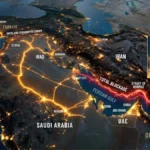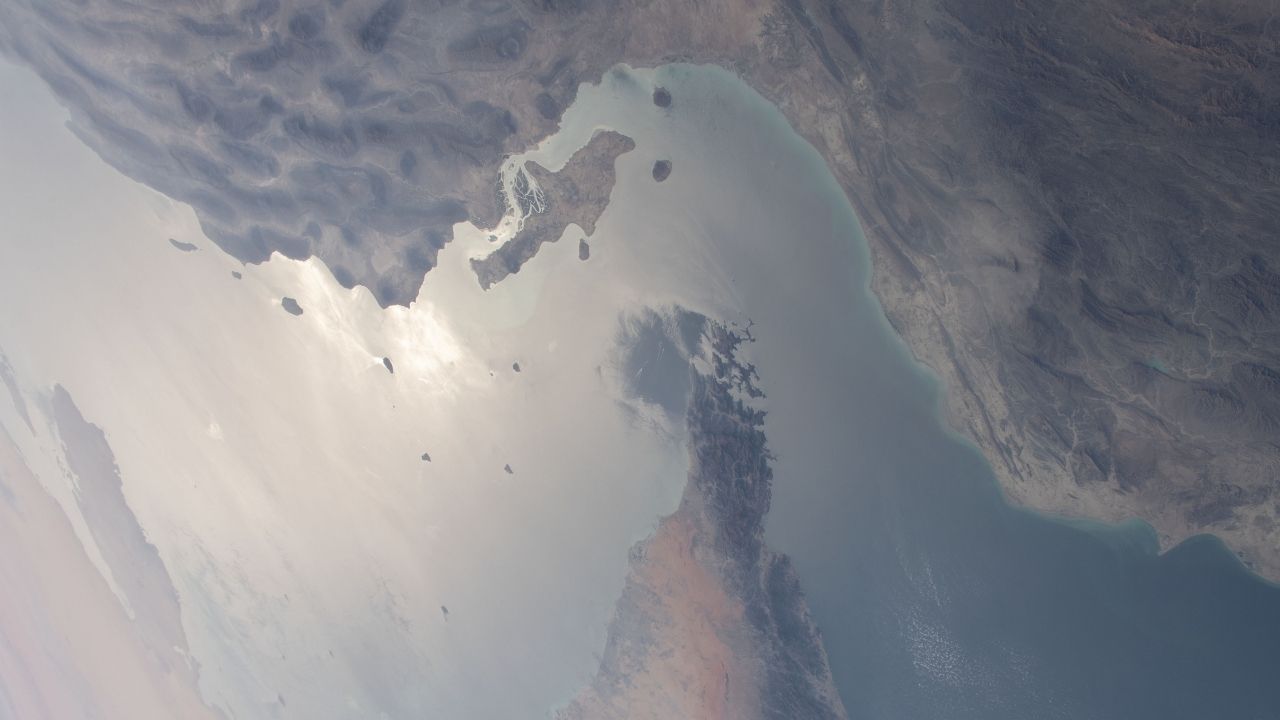


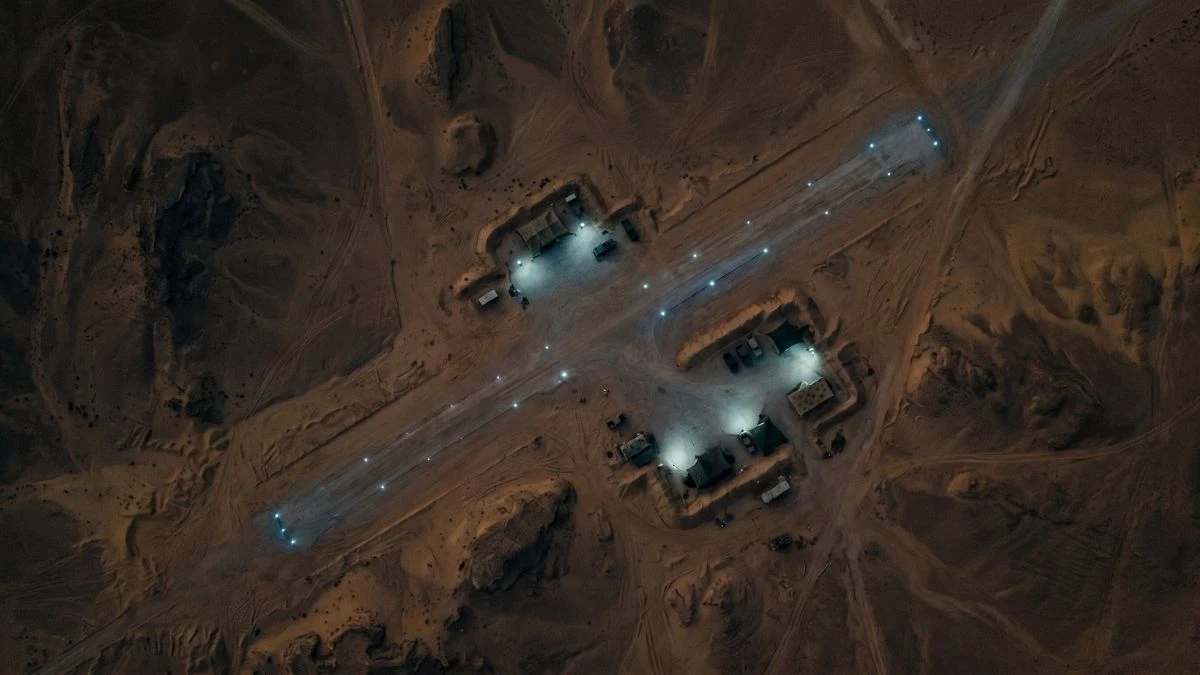
The foundational rules of engagement in the Middle East are being aggressively dismantled in the shadows. The recent intelligence disclosures revealing the establishment of at least two covert Israeli military outposts deep within the western Iraqi desert represent a profound and alarming paradigm shift. These are not temporary reconnaissance positions; they are fully functional logistical hubs and makeshift airstrips, constructed approximately 180 kilometers southwest of Karbala. The operational reality of these installations exposes a total disregard for international borders and demonstrates how national territories are being forcefully repurposed as staging grounds for broader regional conflicts.
As analysts of global systems, we must look beyond the immediate shock of the headlines and examine the structural damage this causes. The presence of foreign military infrastructure, operating entirely outside the authorization of the host nation, completely shatters the concept of territorial integrity. It signals to the global community that geographic borders in the region are currently viewed by certain actors not as legal boundaries, but as mere logistical hurdles to be bypassed and occupied at will.
The Operational Logic and the Human Cost
To understand why such a massive strategic risk was taken, one must analyze the mechanical limitations of modern aerial warfare. Conducting sustained, high-intensity aerial campaigns across the vast distances of the Middle East requires immense logistical support. The reliance on mid-air refueling is a known vulnerability, limiting the payload, loiter time, and operational flexibility of fighter squadrons.
By constructing clandestine forward operating bases—complete with medical triage capabilities and logistical supply nodes—within the borders of a neighboring nation, the operational flight times and logistical constraints are drastically reduced. However, this cold, mechanical calculation carries a devastating human and diplomatic cost. The construction and defense of these outposts have already resulted in the kinetic engagement and subsequent deaths of at least 10 Iraqi military personnel. Furthermore, the fatal shooting of Awad al-Shammari, a local Bedouin shepherd who inadvertently approached the perimeter in March, highlights the brutal reality of this unauthorized presence. The lives of local civilians and state security forces are being extinguished to protect foreign infrastructure built illegally on their own soil.
The Fragmentation of National Stability
The diplomatic and internal political ramifications for Baghdad are catastrophic. The Iraqi state has spent years attempting to consolidate its national security apparatus and maintain a fragile balance between competing global powers and internal factions. The revelation that foreign military units have operated continuously within its borders—reportedly since late 2024 and actively during the June 2025 conflicts—exposes severe vulnerabilities in the national defense architecture.
This development fundamentally destabilizes the internal political consensus in Iraq. It provides immense justification for various domestic and regional militias to escalate their own autonomous military operations, arguing that the central government is incapable of defending the nation’s borders. When a foreign military treats a neighboring nation as an open, expendable battlefield for its own unilateral aggression, it accelerates the total fragmentation of state institutions. By illegally embedding its covert infrastructure deep within the desert, Israel is actively dragging Iraq into the crossfire of its broader conflicts. The predictable retaliation from regional adversaries—who view these unauthorized Israeli bases as a violation of absolute red lines—ensures that Iraqi territory is now firmly established as a primary, active theater in a rapidly expanding regional war.
A Dangerous New Precedent
The implications of the Karbala breach extend far beyond the immediate region. If the international community normalizes the practice of establishing covert, lethal military infrastructure within the borders of non-combatant nations to facilitate third-party strikes, the entire framework of global stability will collapse. It sets a terrifying precedent: any nation with sufficient technological and military capabilities can simply occupy the remote deserts, mountains, or coastlines of weaker states to build forward operating bases.
We are witnessing the mechanical implementation of a new, highly aggressive strategic doctrine. The old rules of deterrence, which relied on the mutual respect of defined national borders, are failing. They are being replaced by a system where preemptive, covert occupation is utilized to synthesize tactical advantages.
The events unfolding 180 kilometers southwest of Karbala are not an isolated intelligence anomaly. They are a clear warning. The deliberate erosion of territorial integrity, paid for with the lives of local citizens and soldiers, guarantees that the current conflicts will not be contained. As these covert networks expand, the geographic scope of the war expands with them, pulling previously insulated populations into the center of a devastating, borderless confrontation.