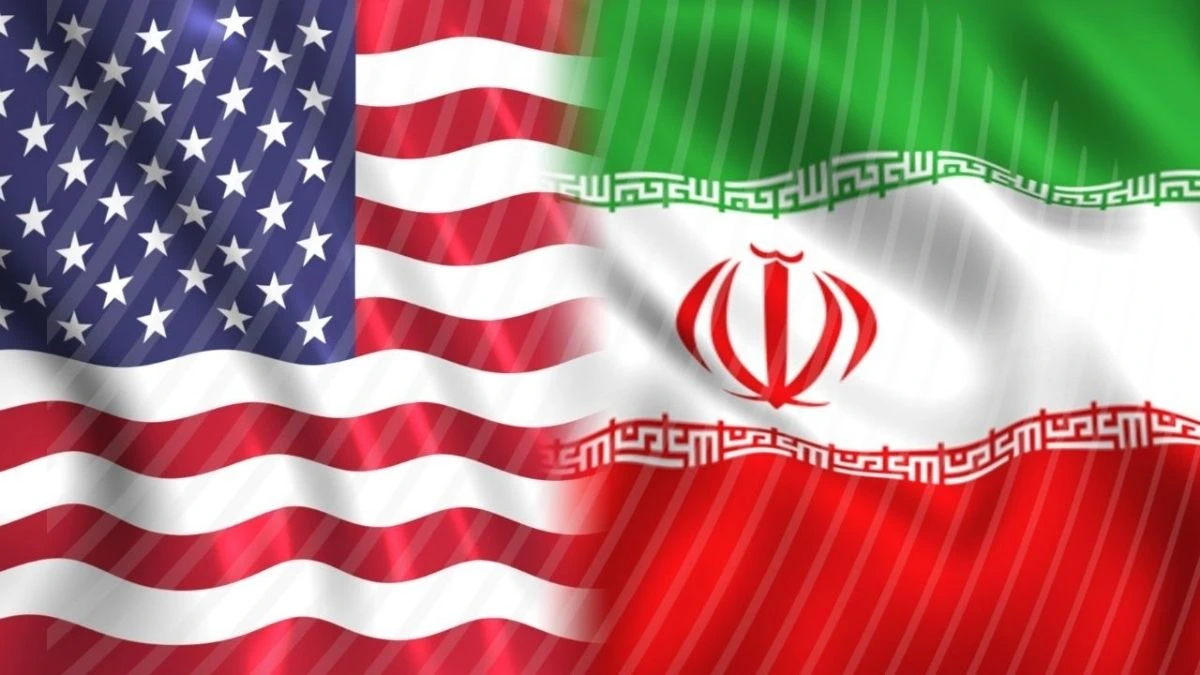


“Conceptually, on that.” That was Trump’s answer when asked in the Oval Office whether the deal addressed Iran’s nuclear material directly. The document his team is preparing to sign is a 60-day memorandum of understanding. It reopens the Strait of Hormuz. It schedules negotiations. The four objectives Trump declared when he launched this war are not in it. Neither is Gaza.
From Unconditional Surrender to ‘Conceptually Yes’
The current conflict began on February 28, 2026, when coordinated US and Israeli strikes targeted Iranian military, governmental, and infrastructure sites. Ali Khamenei, Supreme Leader of Iran since 1989, was killed in those strikes. His son Mojtaba Khamenei assumed the position on March 8 — the first succession in the Iran’s history to occur under active wartime conditions.
At the outset of the February offensive, the United States stated four operational objectives: destroy Iran’s ballistic missile capabilities, dismantle its navy, sever Iran’s support for armed movements across the region, and ensure Iran never obtained a nuclear weapon. A fifteen-point proposal delivered to Tehran via Pakistan in late March demanded the dismantling of nuclear facilities at Natanz, Isfahan, and Fordow, the transfer of enriched uranium to the IAEA, and a permanent ban on nuclear weapons development. On March 6, Trump wrote publicly that only Iran’s “unconditional surrender” would be acceptable.
By early June, Secretary of State Marco Rubio had declared the military phase over. Ballistic missiles and Iran’s regional relationships had disappeared from his public statements. When Trump was asked in the Oval Office whether the deal addressed Iran’s nuclear material directly, he replied: “Yes, conceptually, on that.”
What the Memorandum Contains
The MOU is a one-page, fourteen-point document negotiated by Trump’s envoys Steve Witkoff and Jared Kushner. Pakistan served as the primary mediator — brokering the initial April ceasefire and hosting the Islamabad talks — while Türkiye and Qatar maintained supporting channels to both parties throughout the four-month conflict.
Its core provisions, as described to Axios by US officials and confirmed separately by Al Jazeera, contain four principal elements. Iran pledges not to pursue nuclear weapons — a statement Tehran has made publicly for decades, constituting no new commitment. The Strait of Hormuz reopens: Iran clears the mines it deployed during the conflict, the United States lifts its naval blockade, and Iran regains the ability to sell oil freely. A 60-day negotiating window begins, with Iran’s enriched uranium stockpile as the first agenda item. The United States commits to discussing sanctions relief and the release of frozen Iranian assets during that window. The MOU also states that the war in Lebanon will end as part of the agreement.
No mechanism exists to hold any party accountable for what happens during that window. The format, venue, and outcome of the 60-day talks remain undecided.
What the Memorandum Does Not Address
The IAEA estimated that Iran held approximately 440 kilograms of uranium enriched to 60 percent purity as of early 2026 — below the 90 percent threshold for weapons-grade material, but at the level from which the final step can be reached in weeks. That figure is part of a total enriched uranium stockpile the agency assessed at nearly 21,800 pounds.
The MOU contains no commitment on what happens to that material. Fars News Agency, citing Iranian sources, reported that Iran had made no commitments regarding its nuclear stockpiles, enrichment equipment, facility closures, or nuclear weapons development. Those questions move to the 60-day negotiating window — with no deadline and no guarantee of resolution.
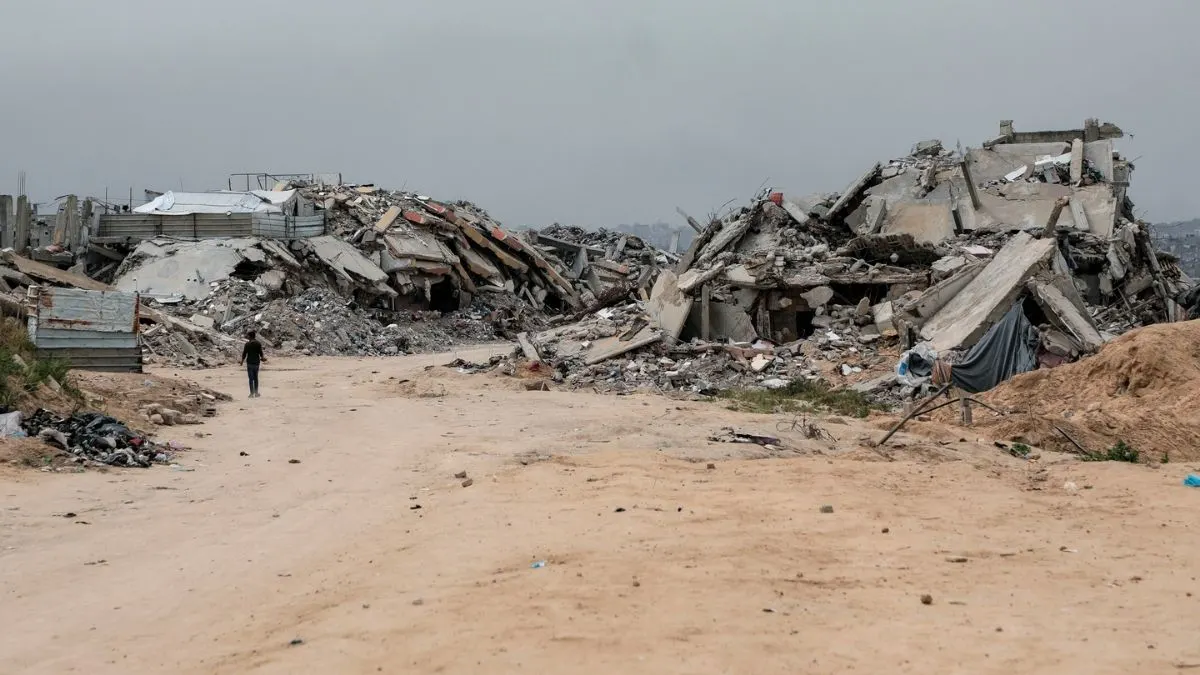
US intelligence assessments indicate that 70 percent of Iran’s missile stockpile survived the war. Neither missile limitations nor any commitment regarding Iran’s relationships with regional armed movements appears in the MOU. The Lebanon provision carries its own complication: in early June, Iran suspended talks entirely, citing Israel’s ongoing military operations in Lebanon and in Gaza — where Israeli forces have continued strikes against a population under documented siege and where the ICJ genocide case against Israel remains active. The MOU’s Lebanon clause reflects Iran’s demand on that front. Gaza does not appear in the document.
The framework that renegotiates the region’s security order was built around the interests of those at the table. A population under documented siege — and the genocide case filed against the state conducting it — were not at the table. The document reflects that precisely.
US officials had previously used a defining phrase to describe their position: “no dust, no dollars” — meaning no sanctions relief before Iran’s enriched uranium was disposed of. The MOU defers exactly that exchange to negotiations whose outcome remains undecided.
Erdoğan’s Role and Netanyahu’s Position
Trump’s remarks publicly praised Erdoğan’s contribution to the process. Türkiye had positioned itself as a facilitating channel from the earliest weeks of the conflict — relaying messages between Washington and Tehran, participating in multilateral foreign minister meetings, and maintaining access to both parties simultaneously. Axios described Türkiye as a “leading mediator” by May 2026, reflecting Ankara’s role alongside Pakistan’s primary brokering function.
Israeli Prime Minister Benjamin Netanyahu confirmed to Trump’s office that he had been briefed on the emerging MOU. Israel is not party to the agreement. Netanyahu’s stated conditions for any acceptable outcome — removal of enriched uranium from Iranian territory, destruction of nuclear infrastructure, restrictions on ballistic missile production, and termination of support for regional resistance movements — match none of the four provisions the MOU currently contains. Netanyahu acknowledged the “approval stage” reached and thanked Trump. The gap between his stated requirements and the document’s actual contents was left unaddressed.
A Framework That Inherits Its Own Argument
Trump told reporters he believed Mojtaba Khamenei had approved the agreement. Iranian state media did not confirm this. Vice President JD Vance is expected to attend the signing in Trump’s place, alongside Witkoff and Kushner.
Quincy Institute co-founder Trita Parsi assessed that neither side had made major substantive concessions in the MOU, and that the 60-day window would determine whether the framework produces a durable outcome. A US official described the document’s purpose plainly: an agreement to bring all parties to the table, with details to be settled in subsequent negotiations. Those details include the fate of 440 kilograms of enriched uranium, whether Iran retains any enrichment capacity, the duration of any moratorium, and the condition of a missile stockpile that survived the war largely intact. The signing ceremony, when it happens, begins that negotiation. It does not conclude it.