

Three separate ceasefire agreements now govern the Middle East’s most active conflict zones, all brokered by the United States within the past eight months. Gaza has been under a formal truce since October 10, 2025. The United States and Iran agreed to halt hostilities on April 8, 2026. Israel and Lebanon signed a fresh US-mediated agreement on June 4. In all three zones, military strikes are continuing without pause.
Three Agreements, Three Active Fronts
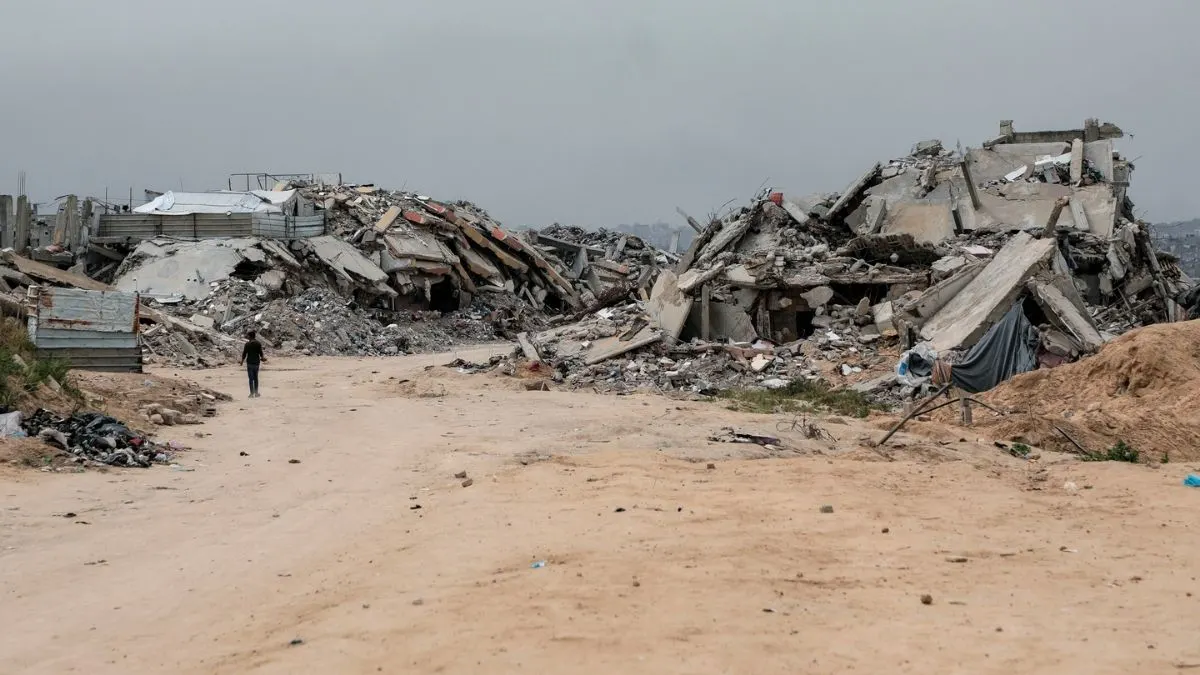
The Gaza ceasefire was framed as a first step toward ending Israel’s genocide in Gaza and as a foundation for reconstruction and humanitarian recovery. Eight months on, Israel has violated the agreement at least 3,076 times between October 10, 2025, and May 31, 2026, according to Gaza’s Government Media Office — a count that covers air strikes, artillery shelling, live fire at civilians, and armored incursions beyond the demarcated line separating Israeli-controlled territory. At least 947 Palestinians have been killed since the truce took effect. Of 139,200 supply trucks committed under the agreement’s humanitarian protocol, only 50,636 entered Gaza — a delivery rate of 36 percent. By April 2026, Israeli forces controlled approximately 54 percent of Gaza’s territory, concentrating the remaining civilian population into a shrinking zone of accessible land.
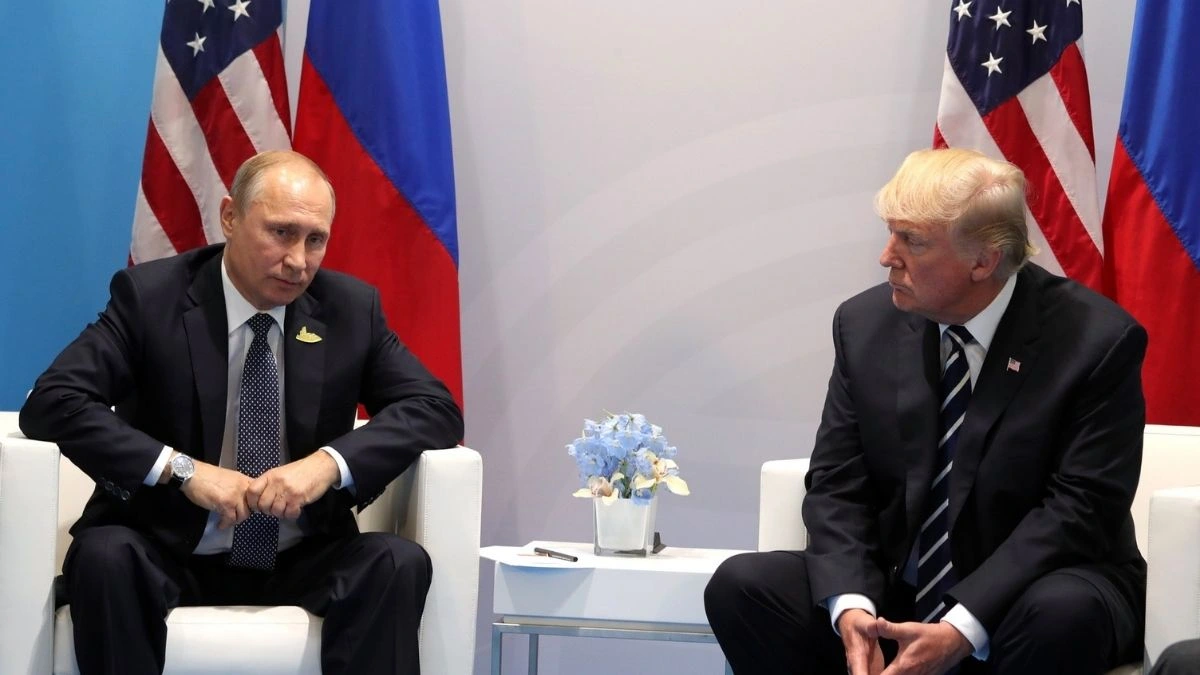
The US-Iran ceasefire, arranged through Pakistani mediation, followed a US-Israeli attack launched on February 28, 2026, which killed Iran’s supreme leader and destroyed large sections of the country’s military infrastructure. A two-week halt agreed on April 8 was extended indefinitely by President Trump on April 21, but Islamabad-hosted talks collapsed without agreement. The United States then imposed a naval blockade on Iran on April 13, intercepting commercial vessels and, per US Central Command on June 8, disabling an oil tanker bound for Iranian ports. Iran’s parliamentary security committee chair Mohammad Bagher Ghalibaf called the blockade a “war crime” on June 8, according to Iran’s Tasnim news agency. The State Department issued no response to that designation.
Lebanon’s ceasefire — the third and most recent — was signed on June 4 after direct Israeli-Lebanese talks in Washington. Israeli forces struck at least twelve people dead across southern Lebanon the following day. On June 6, an Israeli strike on a military convoy in the Nabatieh district killed a Lebanese army brigadier general, a captain, and a soldier.
No Mechanism, No Cost
None of the three agreements contains an enforcement mechanism. The Gaza ceasefire passed through the UN Security Council but carries no monitoring body with authority to act on violations. The US-Iran ceasefire is managed bilaterally by the two belligerents themselves, with no neutral adjudicator for contested incidents. Lebanon’s June 4 agreement was signed by two governments while armed factions on the ground rejected its terms.
The Congressional Research Service, in a May 2026 assessment, described the US-Iran ceasefire as operating on “life support”, noting that “limited US-Iran diplomatic engagement has not yielded a comprehensive agreement” on Iran’s nuclear program, ballistic missiles, or the Strait of Hormuz. On June 7 and 8, the region saw its worst exchange of strikes in months — Iranian forces fired toward the Gulf, the US intercepted missiles bound for Israel, and Israeli aircraft struck residential buildings in Beirut’s southern suburbs, killing two civilians and wounding eleven.
The pattern across all three fronts is structural, not incidental. When a ceasefire carries no cost for violation, the party with greater firepower determines, in practice, whether the truce applies to it. The UN High Commissioner for Human Rights documented 738 Palestinian deaths under the Gaza ceasefire through early April 2026, including strikes on medical teams, WHO personnel, and UNRWA shelters, noting that the confirmed figure likely undercounts the actual toll. The Israeli government has not disputed those numbers. The United States government has not acted on them.
One Hundred Days in Lebanon, 3,600 Dead
June 9 marked 100 days of Israel’s current military campaign in Lebanon. Lebanon’s Ministry of Public Health records more than 3,600 killed and more than 11,000 wounded since hostilities escalated on March 2, among them at least 245 children. Israel’s single deadliest strike of the campaign fell on April 8 — the same day the US-Iran ceasefire was announced — killing 254 people across Beirut and southern Lebanon. France condemned those strikes as “especially unacceptable” given the timing; no formal consequences followed.
In Gaza, the total death toll since October 7, 2023, stands at at least 72,956 people, including 20,179 children. Each ceasefire in the region has produced a version of the same result: a reduction, not a halt, in killing, with the terms of the truce providing the legal vocabulary for continued operations. Trump told reporters on June 4 that ongoing strikes in the Gulf are simply a feature of “a different part of the world.” No party to any of the three agreements has proposed a mechanism to contest that framing.
The three active ceasefires share one structural feature beyond their American authorship: in none of them is any party required to render account.