

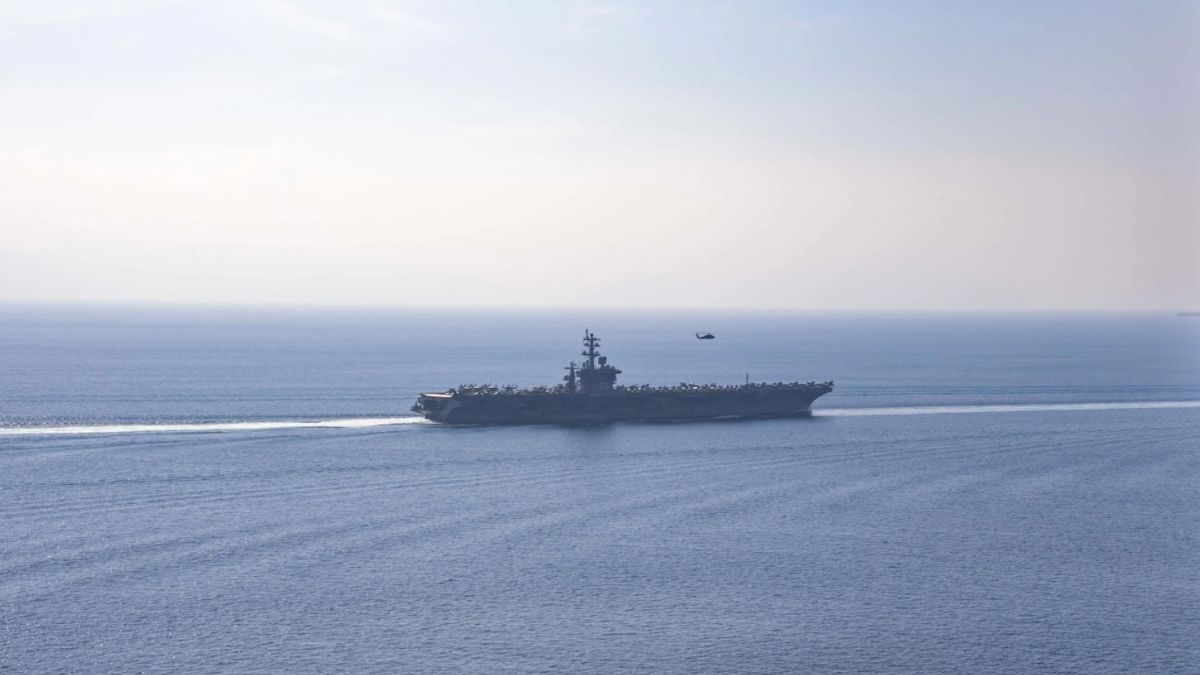
U.S. aircraft struck Iranian missile and drone storage sites, and coastal radar positions, for the second night running on June 27. President Donald Trump followed the strikes with a warning on Truth Social: if Tehran does not comply, “the Islamic Republic of Iran will no longer exist!”
The threat is not new territory for this White House. On February 28, a joint U.S.-Israeli strike already removed Iran’s head of state by killing Supreme Leader Ali Khamenei inside his Tehran compound. Four months later, the same campaign is threatening to finish the job on the state itself.
Two Tankers, Two Rounds of Strikes
Iran struck the Singapore-flagged cargo ship M/V Ever Lovely with a drone off Oman’s coast on June 25. The U.S. answered the next day with strikes on Iranian missile and radar sites.
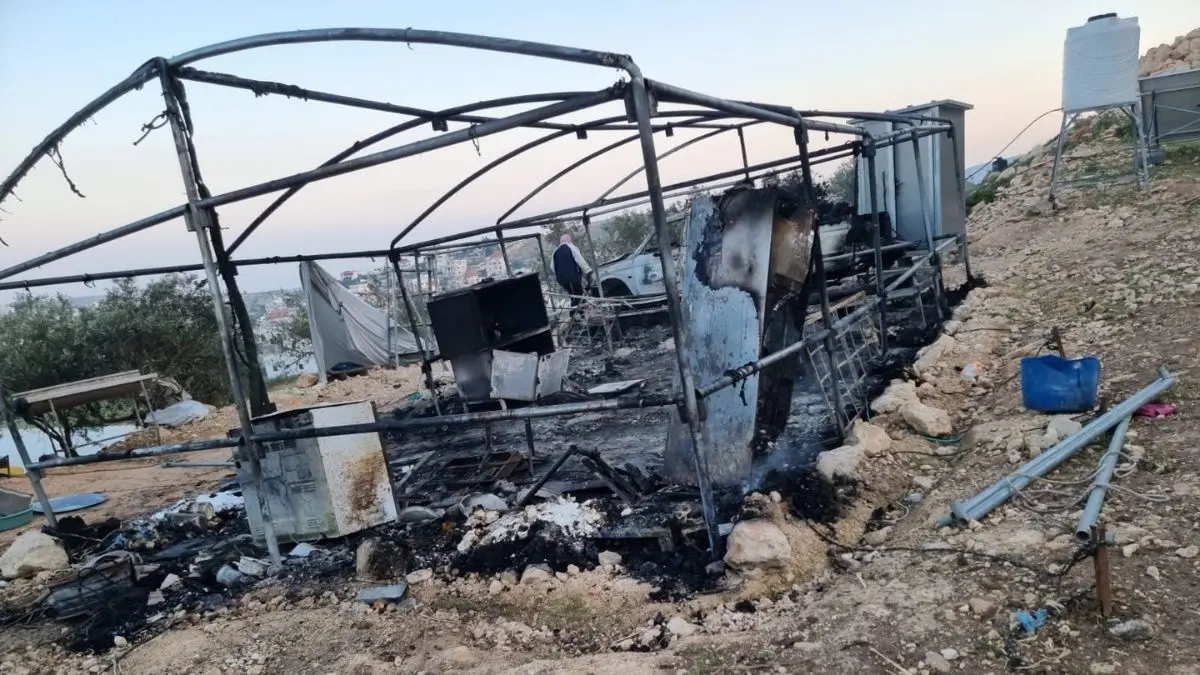
Iran hit a second vessel on June 27, the Panama-flagged tanker M/T Kiku, while it carried more than two million barrels of crude through the strait. U.S. forces then struck ten targets in Iran at Trump’s direction, CENTCOM said, hitting Iranian surveillance infrastructure, communication systems, air defense sites, drone storage facilities, and minelayer capabilities.
Iran’s Revolutionary Guard answered within hours, striking U.S.-linked sites in Bahrain and Kuwait. The Guard said it destroyed “eight important U.S. military facilities” and warned that any future strike, even on minor targets, “will have a crushing response.”
Washington’s Case
CENTCOM frames the sequence as a one-sided breach. Vice President JD Vance posted that Iran could “pick up the phone” over disputes, but violence would be met with violence.
The U.S. case rests on the Islamabad Memorandum signed June 17, brokered by Pakistan with Qatar, Saudi Arabia, Türkiye, and Egypt mediating. It commits Iran to keep the strait open to commercial shipping, toll-free, for 60 days. Two tanker strikes inside that window are, in Washington’s reading, a breach Tehran cannot dispute.
What the Memorandum Never Covered
The same memorandum’s first clause calls for ending military operations “on all fronts, including Lebanon.” Israel was never a signatory. Its forces kept bombing Lebanon throughout, unbound by a deal it never signed.
One day before Trump’s latest threat, Israel signed a separate deal of its own. Secretary of State Marco Rubio brokered a trilateral framework in Washington on June 26 that ties any Israeli pullback from south Lebanon to Hezbollah’s disarmament — a condition the group has refused for years. Lebanon signed it. Hezbollah did not. Iran wasn’t invited to weigh in on a front its own memorandum was supposed to close.
Netanyahu used the announcement to address Tehran, not Beirut. “This is also a major blow to Iran,” he said in a video statement, framing Lebanon’s war as a matter the country “has no role in.” Hezbollah’s Naim Qassem called the same framework “null and void” the next day.
Lebanese officials say more than 4,000 people have been killed since Israeli operations resumed in March. The memorandum’s promise to end fighting “on all fronts” has held, in practice, for one front only.
A Campaign That Already Removed Iran’s Leadership Once
The war Trump is now threatening to finish began on February 28 with a joint U.S.-Israeli strike that killed Khamenei inside his compound, using CIA intelligence on a scheduled meeting of senior officials. The same day’s strikes killed at least 201 people across 24 provinces, including 108 people at a girls’ elementary school in Minab, by Iran’s Red Crescent count. The Assembly of Experts elected his son, Mojtaba Khamenei, as successor eight days later.
Two international-relations professors writing in Just Security called the strike “a textbook case of foreign political assassination,” intended not to disable a military target but to alter Iran’s political leadership outright. No declaration of war preceded it.
Trump’s newest warning extends the same logic to the state itself. Killing a head of state, then threatening to end the republic he led, reads less like two separate decisions than two stages of one campaign — the same campaign that, a day earlier, finished writing Iran out of the deal governing Lebanon.