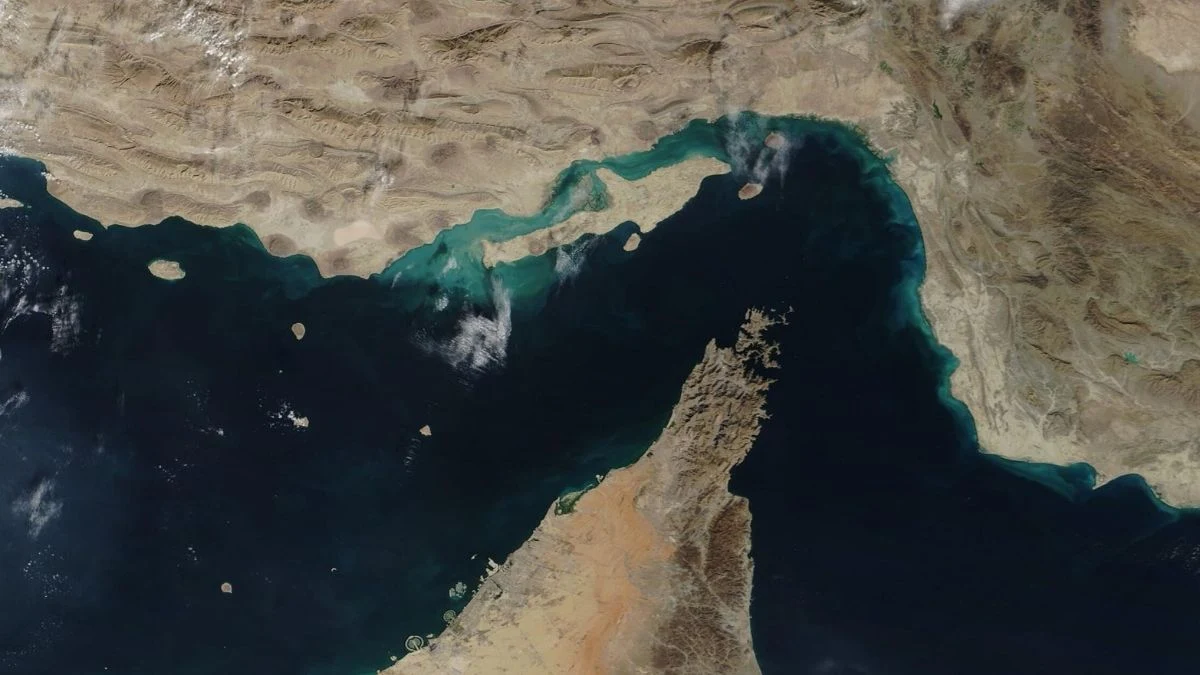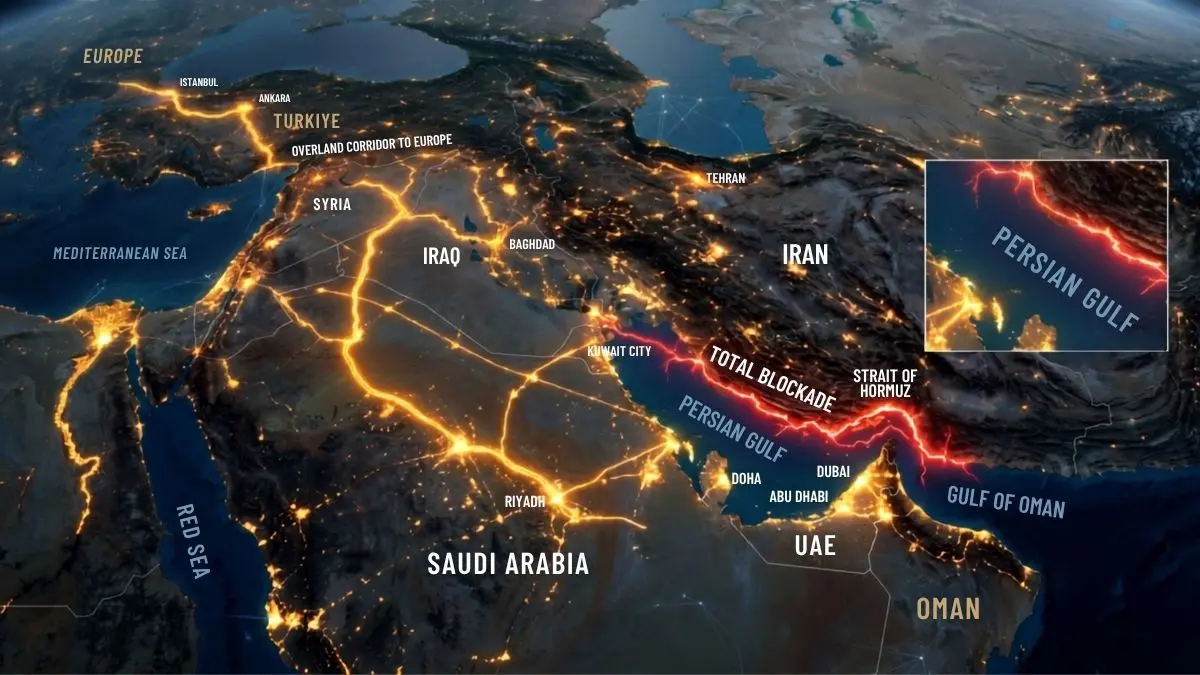


The global macroeconomic architecture is fracturing. Global growth projections are plummeting toward a near-recessionary 2.1 percent for 2026, while G20 consumer-price inflation is projected to surpass 4.0 percent. Why did the post-pandemic recovery collapse so suddenly? The answer is not an unpredictable market fluctuation. It is the direct consequence of deliberate policy execution. On February 28, 2026, the United States and Israel initiated major combat operations against Iran, shutting down the Strait of Hormuz. This maritime chokepoint historically processed 25 percent of global seaborne oil, 20 percent of liquefied natural gas, and nearly a third of internationally traded fertilizers. The systemic isolation of this corridor has stripped the foundational inputs from the global economy. The architects of the conflict remain largely insulated. The rest of the world pays the structural price.
Dismantling the Freedom of Navigation Narrative
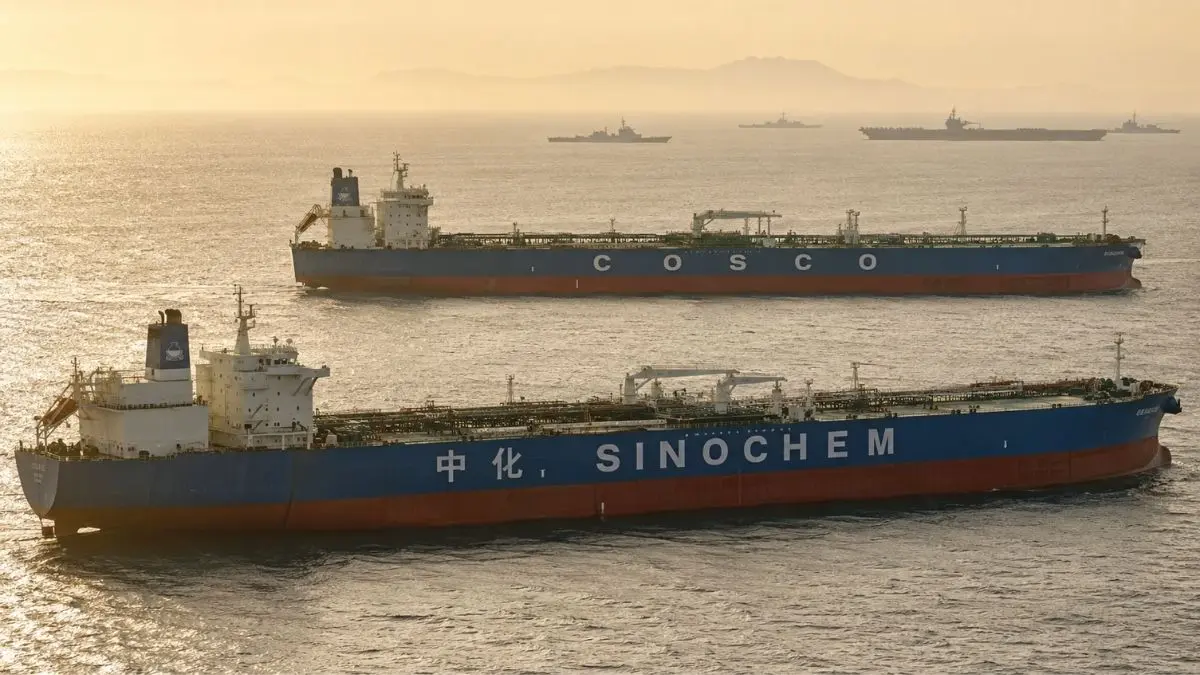
Washington and European capitals position their naval deployments in the Persian Gulf as indispensable security operations. The official narrative suggests these armadas are stationed to protect international freedom of navigation from asymmetric Iranian interventions. It is a compelling structural argument. Yet, maritime tracking data dismantles it entirely.
The most severe collapse in commercial transit did not follow Iranian maneuvers. It occurred only after the United States Central Command commenced an active maritime blockade, redirecting over 120 commercial ships and executing direct kinetic strikes on regional maritime infrastructure. The resulting reciprocal militarization forced shipping alliances to abandon the Gulf entirely, routing vessels around the Cape of Good Hope. This structural latency wiped out effective shipping capacity. The spot market absorbed the shock immediately. By early June, the benchmark Drewry World Container Index for a 40-foot container doubled to $3,344. The system did not break by accident. It was forced offline.
The Haber-Bosch Crisis and Agricultural Deficits
Western financial platforms remain fixated on energy prices. This misses the actual systemic threat. The most critical macroeconomic consequence of the intervention is the disruption to the global agricultural supply chain.
The modern agrifood system relies entirely on synthetic nitrogen fertilizers. Before the blockade, the Persian Gulf accounted for 30 percent of global ammonia exports and 35 percent of global urea exports. The military intervention triggered an unprecedented shock to these inputs. Urea prices surged from a pre-crisis baseline of $470 to over $700 per short ton in weeks.
Faced with hyper-inflated nitrogen costs, agricultural producers are making cold, mathematical decisions. Farmers across the globe are aggressively abandoning nitrogen-intensive staple grains like corn and wheat, shifting their acreage to legumes such as soybeans. This mass agricultural realignment guarantees a structural shortage of wheat and rice in upcoming harvests. The OECD, in its June 3, 2026 Economic Outlook, warned that prolonged disruptions could lock the global economy into a 2.1 percent growth trap. But the reality is starker. The energy shock is systematically starving the caloric output of the planet.
Asymmetric Penalties and the New Logistics Order
The fallout of this manufactured shock is inherently asymmetric. Advanced economies leverage fiscal cushions, reserve currency dominance, and diversified strategic stockpiles to absorb the immediate freight surges. The Global South enjoys no such mechanisms. Emerging markets are forced to balance the exact same price shocks through severe currency depreciation, localized fertilizer rationing, and food inflation.
This environment of acute instability is forcing a rapid redesign of global trade routes. States dependent on fractured Gulf corridors are actively divesting from maritime routes vulnerable to foreign military intervention. Alternative regional connectivity frameworks are accelerating. Logistical bypasses, specifically the Iraq Development Road project stretching toward Türkiye’s Mediterranean ports, are no longer viewed merely as commercial ventures. They are now classified as essential macroeconomic survival mechanisms. As the traditional maritime order proves increasingly unreliable, the global trade architecture is abandoning the sea for secured, overland logistical realities.