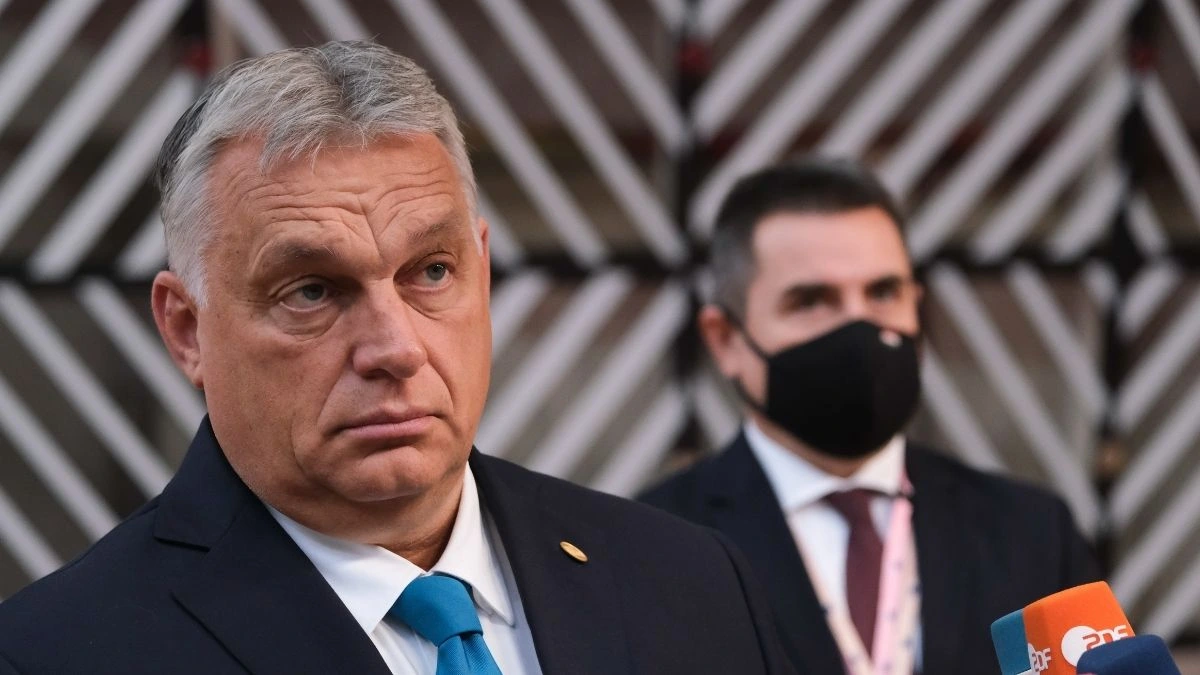


On June 7, U.S. President Donald Trump pulled his microphone from his lapel mid-interview on a rain-soaked Wisconsin farm set, called the NBC moderator “crooked” and “stupid,” and walked off. The clip spread globally within the hour. But the six-minute televised rupture was not the story — it was a pressure valve releasing what had been building inside the Justice Department for seven weeks: a self-directed lawsuit, a $1.776 billion bypass of congressional authority, and a one-page document placing a sitting president permanently beyond the reach of tax accountability.
A Plaintiff Who Directed His Own Defense
The sequence begins in January 2026, when Trump, his sons Donald Jr. and Eric, and The Trump Organization filed a $10 billion civil suit against the IRS and the U.S. Treasury. The underlying grievance was documented: a former IRS contractor, Charles Littlejohn, had illegally leaked the tax records of wealthy Americans — including the Trump family — to The New York Times and ProPublica between 2019 and 2020. Littlejohn was prosecuted and imprisoned. The institutional failure was real.
What followed was not standard procedure. Rather than defend the government — the default DOJ function in civil suits — Acting Attorney General Todd Blanche moved immediately to settle. The plaintiff (Trump) was the ultimate superior of the attorneys representing the defendant (the Justice Department he directs): legal scholars named it collusive litigation. IRS officials had recommended fighting the case in court. Blanche chose otherwise. Public legal resources were directed not toward defending the public interest, but toward settling a personal claim by the official who controls those resources.
A $1.776 Billion End-Run Around Congress
The May 18, 2026 settlement produced no direct payment to Trump. Instead, the government committed to a formal apology and the Anti-Weaponization Fund — sized at exactly $1.776 billion, a symbolic reference to the year of American independence.
The money would not come from new congressional appropriations. It would be drawn from the Judgment Fund, a permanent Treasury reserve designed to cover court-ordered payouts — built from public wealth, held in trust for legitimate legal obligations. By routing the settlement through this mechanism, the administration bypassed the constitutional power of the purse entirely. Congress was not asked, not consulted, and not informed in advance. Nearly $2 billion in public funds was redirected into an executive-controlled account with no legislative authorisation and no independent oversight.
The fund’s governance structure ensured that account would never be rendered. Four of five commission members would be appointed directly by the Attorney General. The President retained the right to remove any commissioner at will. Disbursements would flow into a “Designated Account” after which the U.S. government would hold “no further obligation” — the settlement text provides no mechanism for public disclosure of recipients, amounts, or criteria. Thirty-five former federal judges from across the political spectrum filed a joint brief calling the arrangement “fraud on the court.”
The One-Page Document No One Was Supposed to Notice
The fund was the visible layer. The more consequential document was signed the following day.
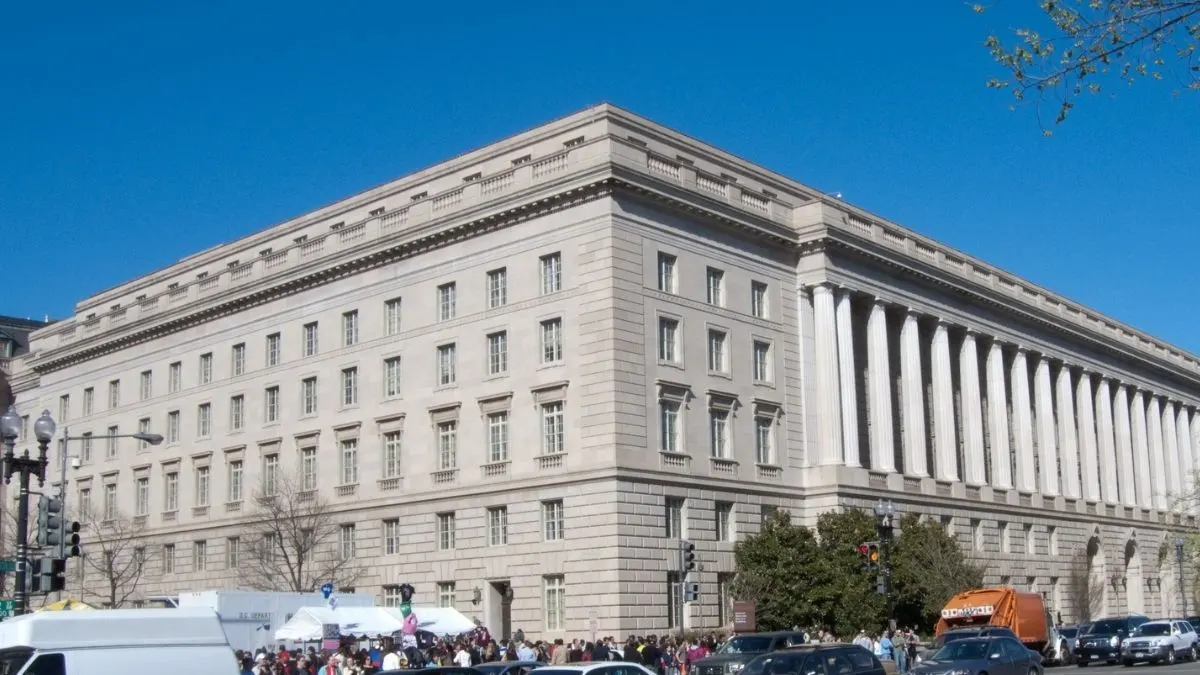
On May 19, Blanche signed a one-page order declaring that the U.S. government “forever releases and discharges” Trump, his family, their trusts, and affiliated companies from all government claims. It explicitly barred the IRS from initiating or continuing “examinations or similar or related inquiries” into any tax return filed before May 18, 2026.
Former IRS Commissioner Daniel Werfel stated he could identify no precedent in the agency’s history for permanently waiving audit authority over a specific individual. “Whether you’re the president or ‘Joe the Plumber,'” Werfel said, “people expect the same rules to apply.” The order placed one individual outside that obligation, permanently — with no equivalent carve-out available to any other American taxpayer.
The constitutional question followed directly. If Trump held outstanding tax liabilities that this agreement extinguished, the financial benefit transferred from public funds to a sitting president constitutes a personal emolument — a violation of the Emoluments Clause, which bars federal officials from receiving personal financial benefit from the state beyond their official salary. The settlement’s precise financial terms remain undisclosed, placing the scale of any such transfer beyond public knowledge. Legal scholars at Common Cause described that opacity as a core feature, not a side effect. When the extent of a ruler’s personal gain from public funds cannot be determined, accountability has not been weakened — it has been removed.
Courts Step In — Then the President Steps on His Own DOJ
The legal response moved quickly. A coalition including two Capitol Police officers injured on January 6, former federal prosecutors, the city of New Haven, and multiple advocacy organisations filed suits in Virginia and Washington, D.C.
On May 29, federal Judge Leonie Brinkema issued a temporary restraining order blocking all fund disbursements, citing the risk of irreversible harm before constitutional questions could be resolved. DOJ subsequently told courts the fund was no longer moving forward — then used that position to argue the lawsuits were moot.
On June 7, Trump told NBC it was “a great idea,” that he would be “disappointed” if it failed, and that he would have paid people convicted of assaulting Capitol Police officers “the money they deserve.”
The two positions — institutional retreat for the courts, public endorsement for the cameras — operated simultaneously. When House Appropriations Committee members pressed Blanche to put the fund’s termination in writing, he refused. The settlement’s own text requires modifications to be made “only by written agreement of the Parties.” A verbal “we’re not moving forward” carries no legal weight against a signed contract.
Power, Accountability, and the Language Designed to Escape Both
The term “weaponization” entered American political discourse to describe the use of state institutions against political opponents. The Anti-Weaponization Fund applies that language to accountability enforcement itself — tax audits, criminal referrals, judicial review — and recodes it as persecution, a rhetorical pattern the administration had already applied to federal AI oversight. Those who bear public authority become its victims; those who hold public funds become their own auditors.
The Littlejohn leak gave the weaponization claim a factual base. What was constructed on that base drew a different assessment from thirty-five former federal judges and constitutional scholars who reviewed it publicly: public wealth redirected through an unauditable structure, disbursed at the discretion of a single executive, with no obligation to render account to the public whose money it is.
The courts have held, for now. The IRS immunity order remains in force. The settlement has not been formally rescinded. A presidential appointment power, a congressional bypass, and a disclosure-free disbursement structure were assembled, stress-tested, and only partially walked back. Whether that architecture is rebuilt — under less visible conditions, with less legal resistance — is the question the Wisconsin walk-off did not answer.