

Anthropic on June 9 released Claude Fable 5, the most capable artificial intelligence model the company has ever offered to the public, alongside a restricted version, Claude Mythos 5, reserved for the US government and a small group of vetted partners. Both models run on the same underlying system. The difference is the brakes: Fable 5 ships with filters that route sensitive queries to a weaker model, while Mythos 5 operates with its cybersecurity limits removed. The release is the first time the company has offered a “Mythos-class” system — its highest capability tier — beyond a closed government pilot.
A Single System Sold Under Two Names
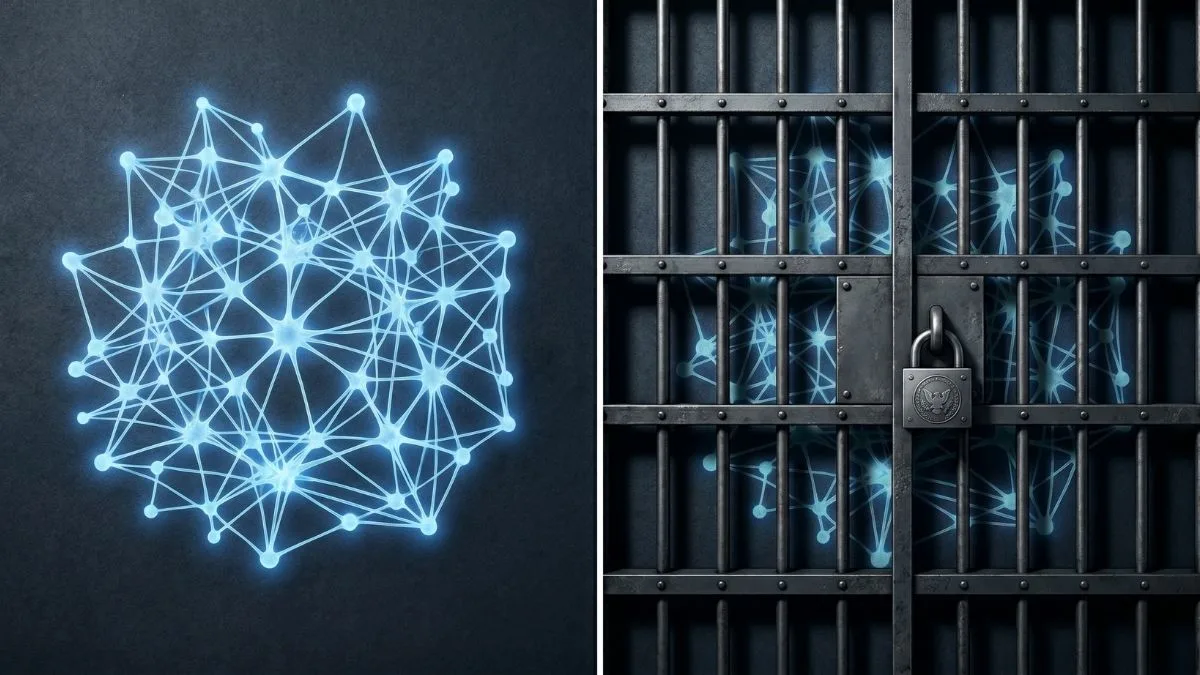
Fable and Mythos share one brain and differ only in their safeguards. Anthropic priced both at $10 per million input tokens and $50 per million output tokens, less than half the cost of the earlier Mythos Preview. For the public model, automated classifiers detect requests tied to cybersecurity, biology, chemistry, or model copying and hand them to Claude Opus 4.8, the company’s next-strongest system. Anthropic reports that fewer than 5% of Fable sessions trigger this fallback, meaning most users receive the full model. Mythos 5 carries no such cyber restriction and reaches only partners inside Project Glasswing, a program run together with the US government.
Capabilities Measured in Months Compressed Into Days
The company’s performance claims are specific. During early testing, the payments firm Stripe ran Fable 5 across a 50-million-line codebase and completed in a single day a migration that a full team would have needed more than two months to finish by hand. On a senior-level finance benchmark built by Hebbia, the model posted the highest score the firm had recorded. The gains extend into the laboratory: using Mythos 5, Anthropic’s protein design team reported accelerating parts of the drug-design process roughly tenfold, with 9 of 14 protein targets yielding strong candidates for further work. In genomics, a model that Mythos 5 trained over a week of largely unsupervised work outperformed a system published in the journal Science while remaining 100 times smaller.
The Same Power That Designs Therapies Can Build Pathogens
Anthropic’s stated reason for the restrictions is the dual-use nature of the work. The company tested Mythos 5 on predicting how a genetic change would affect the assembly of an adeno-associated virus — a delivery vehicle for gene therapies, and, in other hands, a step toward designing dangerous viruses. The model outperformed software built specifically for protein tasks by reasoning through structures whose geometry, hierarchy, and informational precision proved fully legible to general intelligence — which itself raises a question about those structures that the benchmark was not designed to answer. On cybersecurity, the company says its classifiers stop the public model from making progress on offensive hacking tasks, and an external bug bounty logged more than 1,000 hours without finding a universal bypass. The UK’s AI Safety Institute, the company notes, made early progress toward one within a brief testing window.
A Staged Rollout Tied to Capacity, Not Demand
Access to Fable 5 will not stay open on the same terms. Anthropic expects demand to run high and has set a moving schedule: the model is included on Pro, Max, Team, and seat-based Enterprise plans through June 22, after which continued use requires paid usage credits. The company says it intends to restore Fable 5 as a standard plan feature once it has enough computing capacity, without naming a date. The arrangement places the most advanced public model behind a queue whose length the provider alone controls.
A Steelman for Locking the Doors
The argument for restriction is not weak. A model that can find and exploit software flaws, or reason its way through viral assembly, hands real capability to anyone who asks — including actors who could not obtain it elsewhere. Anthropic frames its anti-copying safeguards around extraction attempts it attributes to “authoritarian countries,” arguing that uncontrolled distillation could spread near-frontier systems with no safeguards attached. On its own terms, conservative filtering that occasionally blocks a harmless request is a defensible trade against catastrophic misuse, and the company says it tuned the filters cautiously and plans to loosen them as confidence grows. Its system card reports misaligned behaviour at levels similar to the weaker Opus 4.8.
To Whom Is Account Rendered
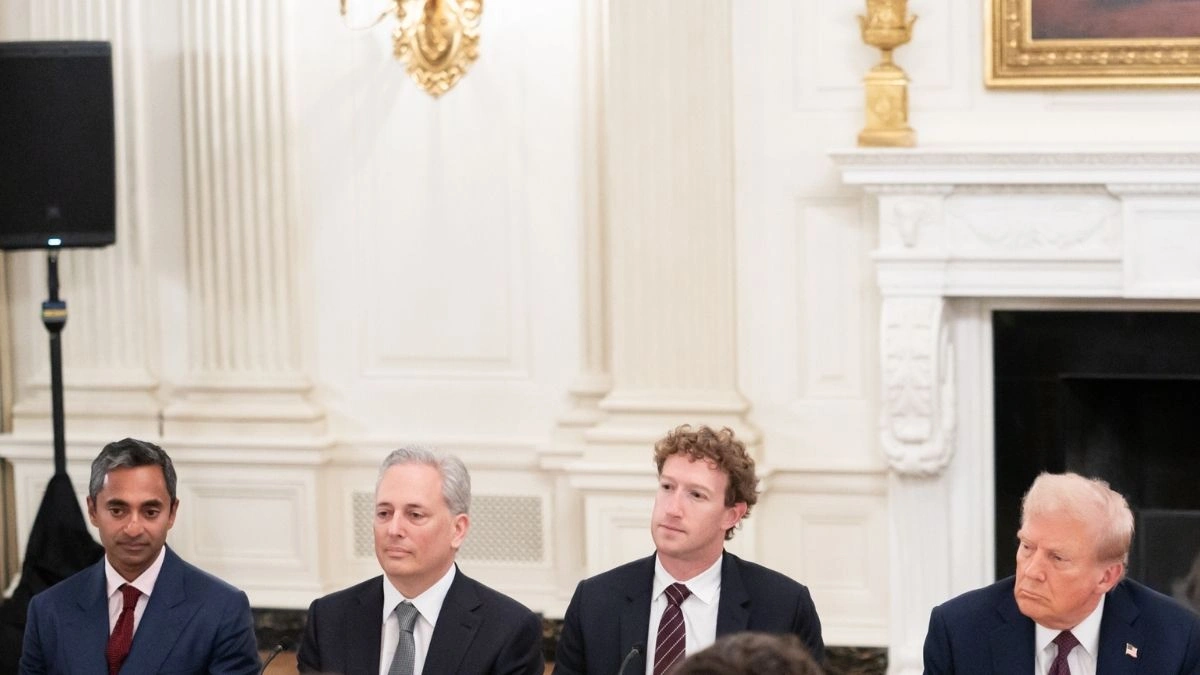
The harder question sits one level up. A single private company, working with one government, now decides who may hold the most powerful cyber-capable AI in the world and who may not. The “trusted access program” that gates Mythos 5 is administered by Anthropic and the US government. The standard of trust is set by the same parties who benefit from setting it. Anthropic will also retain 30 days of all traffic on these models, including business customers’, to study attacks — a concentration of capability and data answerable to no external body. The framing of risk as something flowing outward, toward unnamed adversaries, leaves unexamined the power flowing inward, toward the gatekeepers. When the US attempted to establish even a voluntary federal review for frontier AI models earlier this year, three phone calls from industry principals stopped it before the ink dried.
The technology may, as the company argues, do real good: faster therapies, stronger defenses. Whether the public should accept that one firm and one government alone draw the line between those goods and their weaponized mirror image is a question the launch did not raise.