


Washington demanded Iran’s unconditional surrender on March 6. What it received on June 14, 2026, was a ceasefire text, the reopening of the Strait of Hormuz, and a 60-day window to negotiate the questions this memorandum of understanding does not answer. These are not the same thing.
- The February 28 Campaign — What Washington Launched
- The MOU’s Terms — What Both Sides Confirmed
- The Nuclear Question — What Iran Conceded and What It Did Not
- Muslim Diplomacy at the Center — Pakistan’s Role
- Lebanon — Named in the Ceasefire, Unprotected on the Ground
- Sanctions Architecture — What Iran Receives and What Remains Conditional
- The June 19 Signing — What the MOU Leaves Open
On June 14, US President Donald Trump declared on Truth Social that “the Deal with Iran is now complete,” authorizing toll-free passage through the Strait of Hormuz and the immediate removal of the US naval blockade. Pakistan’s Prime Minister Shehbaz Sharif confirmed the agreement minutes earlier on X. The formal signing is scheduled for June 19 in Geneva.
The February 28 Campaign — What Washington Launched
The 2026 Iran war did not begin with Iranian action. On February 28, US and Israeli forces launched Operation Epic Fury strikes on Iran — nearly 900 strikes in 12 hours targeting Iranian military infrastructure, nuclear facilities, and regime leadership. Supreme Leader Ali Khamenei was killed in the opening hours.
The strikes also hit the Shajareh Tayyebeh all-girls’ primary school in Minab, southern Iran, killing at least 165 students, staff, and others. The US military denied deliberately targeting the school. Secretary of State Marco Rubio stated that American forces “would not deliberately target a school.”
Iran’s response was calibrated and consequential. The IRGC declared complete control of the Strait of Hormuz by early March, closing the waterway through which roughly 20 percent of the world’s oil and LNG normally passes. World Trade Organization data documents a 95 percent reduction in crude oil tanker traffic and a 99 percent collapse in LNG shipments in the weeks that followed.
The United States launched a counter-blockade on Iranian ports on April 13. Pakistan brokered a two-week ceasefire on April 8 and sustained the diplomatic channel that produced Sunday’s agreement.
The MOU’s Terms — What Both Sides Confirmed
The 14-point memorandum commits both sides to the immediate and permanent cessation of military operations on all fronts, including Lebanon. Toll-free passage through Hormuz resumes; the US naval blockade on Iranian ports ends immediately.
Iran’s Foreign Minister Abbas Araghchi stated that frozen Iranian assets will be released upon the MOU’s signing and that oil sanctions will be waived, as Al Jazeera reported from Tehran. Reuters, citing a senior Iranian official, puts the frozen asset release at approximately 25 billion dollars — through direct cash transfers, regional intermediaries, and financial credit lines. No new sanctions will be imposed until a final deal is reached.
Araghchi stated all details would be shared publicly “in due course.” The White House has not officially addressed the MOU’s specific provisions. A 60-day negotiation window opens following the June 19 Geneva signing, during which the structural disputes the current text defers are to be addressed.
The Nuclear Question — What Iran Conceded and What It Did Not
Here is where Washington’s public framing and the MOU’s documented content diverge most sharply. The US administration publicly described the agreement as securing Iran’s commitment to dismantle its nuclear program. The 14-point draft does not contain that commitment.
Under the memorandum, Iran will maintain the current status of its nuclear program — refraining from further uranium enrichment and not expanding its facilities until a final deal is reached. Iran’s 440-kilogram stockpile of highly enriched uranium stays in Tehran; the US demand to ship it out of the country was rejected, and a dilution mechanism is to be negotiated within the 60-day window.
The enrichment freeze is a real concession — Iran had openly enriched to near-weapons-grade levels since the 2018 JCPOA collapse. But it falls substantially short of the “unconditional surrender” Trump demanded in March, and short of the permanent dismantlement the military campaign was publicly declared to achieve.
US credibility on nuclear commitments carries specific documented weight in Tehran. In 2018, Washington withdrew unilaterally from the JCPOA while Iran remained in verified compliance — that precedent is the baseline against which Iranian negotiators assess any US guarantee. Iran’s lead negotiator Mohammad Bagher Ghalibaf stated publicly that his country obtains “concessions not through talks, but through missiles” — and that “no step will be taken before the other side acts first.”
Muslim Diplomacy at the Center — Pakistan’s Role
The dominant Western framing attributes this deal to Washington’s pressure campaign. A more accurate account credits Islamabad.
Pakistan’s Prime Minister Shehbaz Sharif announced the agreed text before Trump’s Truth Social post. Pakistan brokered the April 8 ceasefire and sustained the diplomatic channel through four months of shuttle diplomacy between Tehran and Washington. Pakistan co-sponsored a five-point peace initiative with China in late March calling for an immediate end to all hostilities and hosted direct talks between the two sides in Islamabad.
This agreement was not built through NATO capitals or Gulf Cooperation Council structures. It was built through Islamabad — a Muslim-majority nuclear state with functional relationships across Washington, Tehran, and the Gulf. The achievement reflects a diplomatic capacity that Western coverage has consistently underweighted throughout this conflict.
Lebanon — Named in the Ceasefire, Unprotected on the Ground
The MOU names Lebanon explicitly in the cessation of military operations. The situation on the ground complicates that commitment significantly.
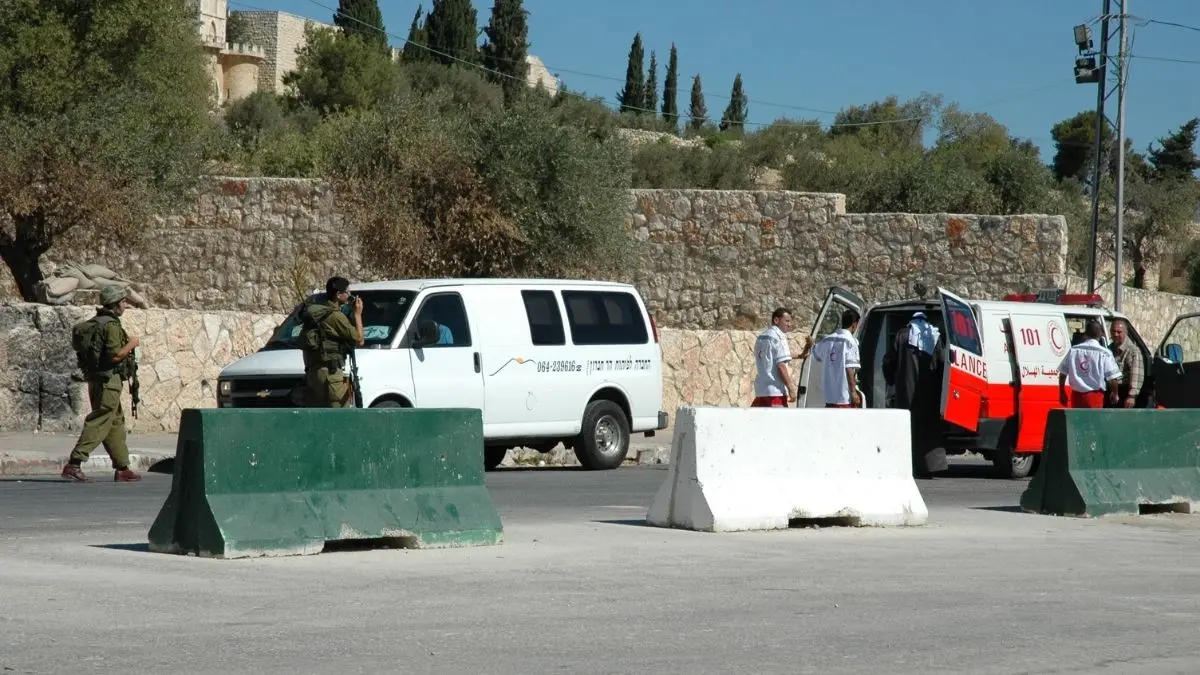
On the day the deal was announced, Israeli forces struck Hezbollah targets in the southern suburbs of Beirut, killing civilians and paramedics in Lebanon. Israel is not a signatory to the MOU and played no role in the negotiations.
Israel’s Prime Minister Netanyahu confirmed his government retains the right to act militarily regardless of the agreement’s terms. Whether the Lebanon ceasefire holds depends not on text signed in Geneva, but on whether Israeli military operations actually stop — a question the current MOU has no enforcement mechanism to answer.
Sanctions Architecture — What Iran Receives and What Remains Conditional
Iran’s initial draft reportedly demanded reconstruction worth at least 300 billion dollars and the withdrawal of all US forces from around Iran. Neither provision has been confirmed in the current MOU text.
What the MOU reportedly includes: oil sanctions waivers, approximately 25 billion dollars in frozen asset releases, and a no-new-sanctions commitment. What is deferred: full banking access restoration and long-term sanctions lifting — tied to compliance benchmarks during the 60-day window.
The architecture is sequenced: Iran delivers first — Hormuz opens, the ceasefire holds — while Washington releases economic relief progressively as Tehran meets agreed conditions. European powers issued a joint statement signaling readiness to lift their own sanctions in exchange for Iranian nuclear steps, again conditional on compliance rather than concurrent with the ceasefire itself.
The June 19 Signing — What the MOU Leaves Open
The full MOU text has not been released publicly as of June 15. The permanent status of Iran’s enrichment program, the duration of any freeze, and the HEU dilution mechanism are all unresolved — to be determined in the 60-day window following the Geneva signing.
ADNOC CEO Sultan Al Jaber stated that full oil flows through the Strait of Hormuz will not return before the first or second quarter of 2027, even if the conflict ended immediately — given physical damage to maritime infrastructure, the effective collapse of Persian Gulf insurance coverage, and the four months required to restore 80 percent of pre-conflict flows.
The United States and Israel initiated this war on February 28. One hundred and six days later, what ended it was not military victory — it was Iran’s closure of the world’s most consequential maritime chokepoint, Pakistan’s sustained Muslim diplomacy, and a text that leaves the war’s declared objective — Iran’s nuclear dismantlement — to negotiations that have not yet begun. The 60-day window in Geneva carries the weight of everything this MOU left open.