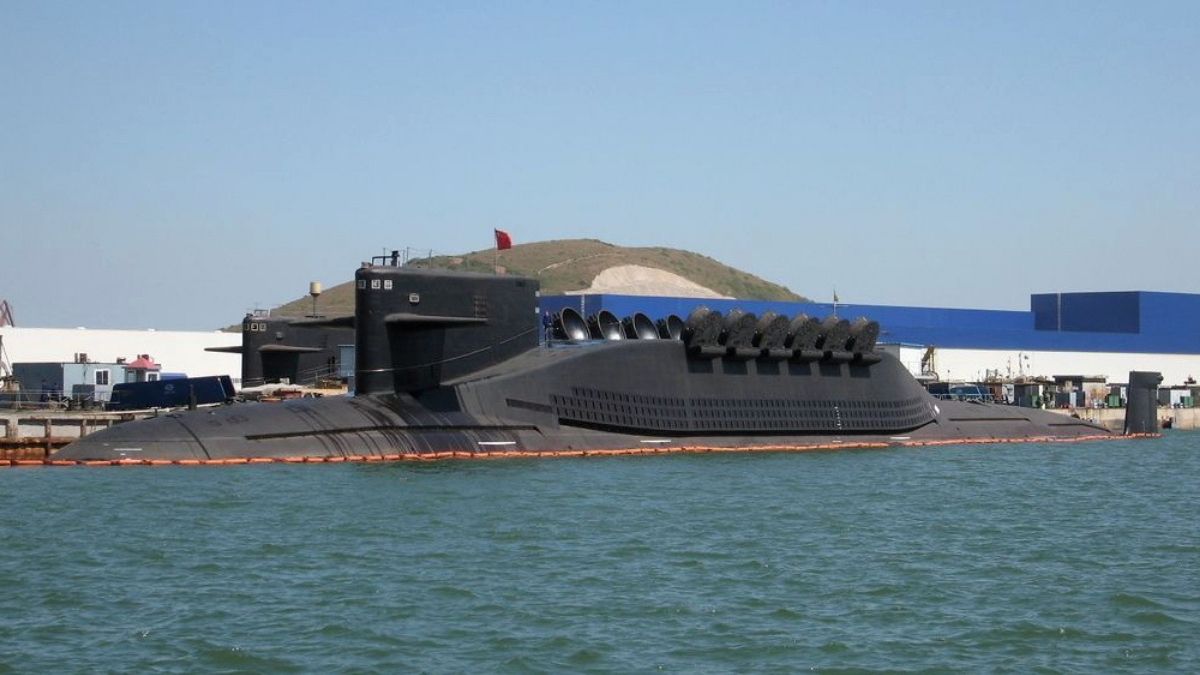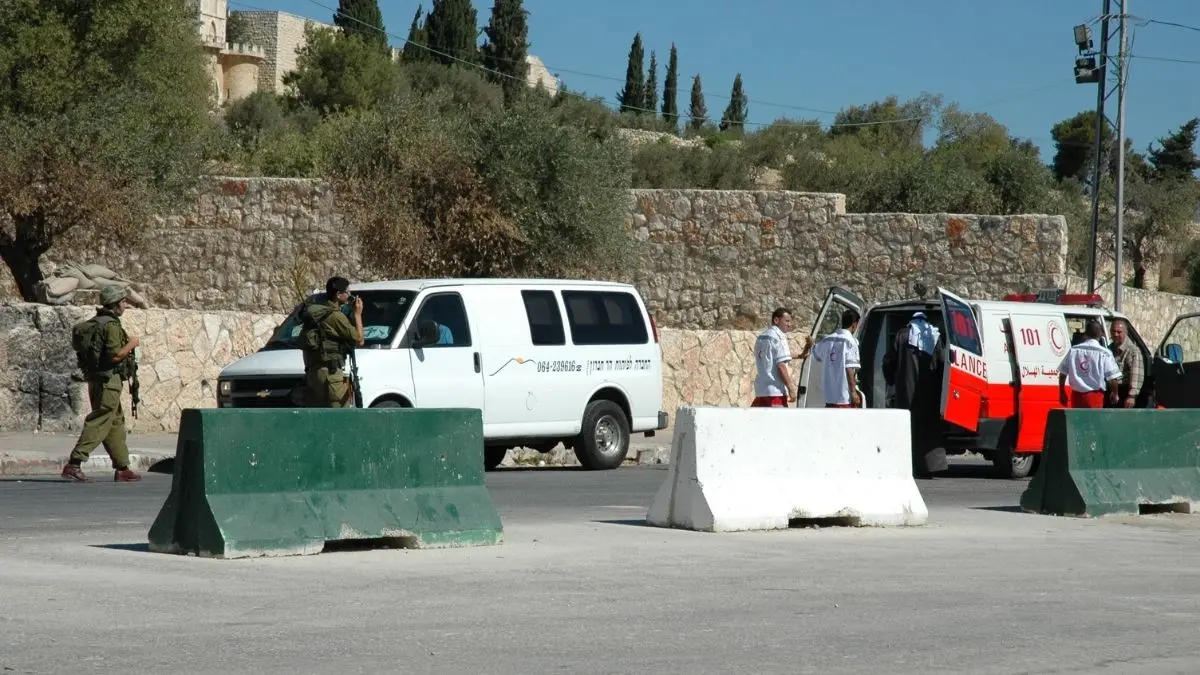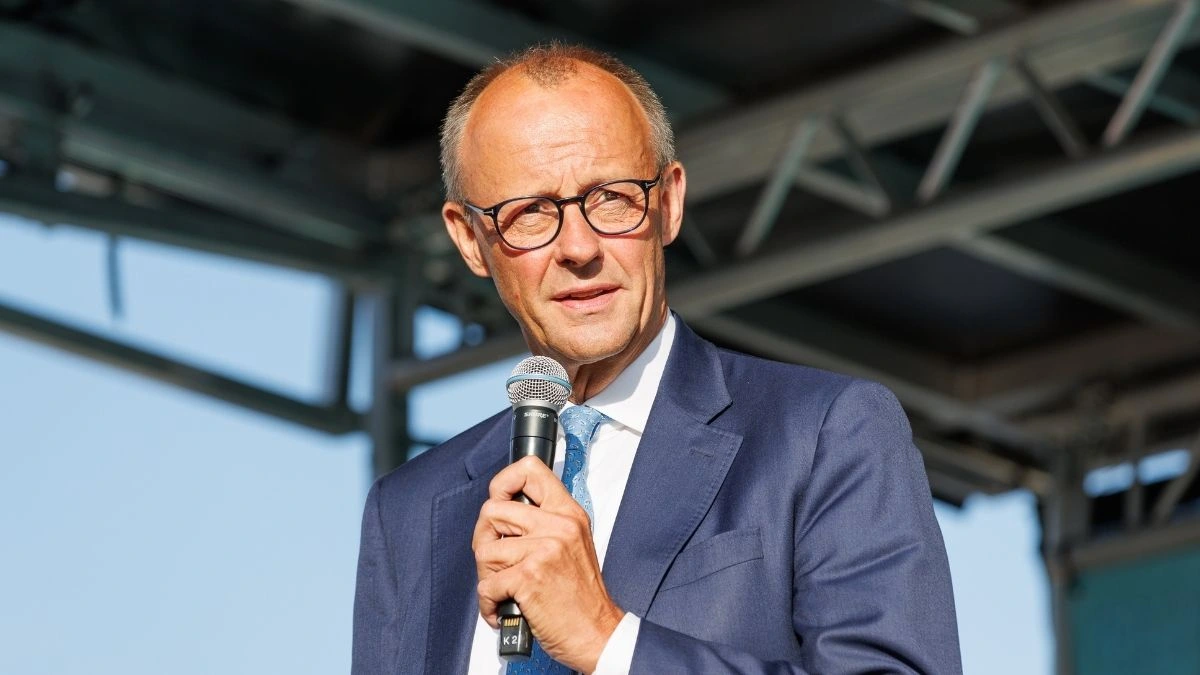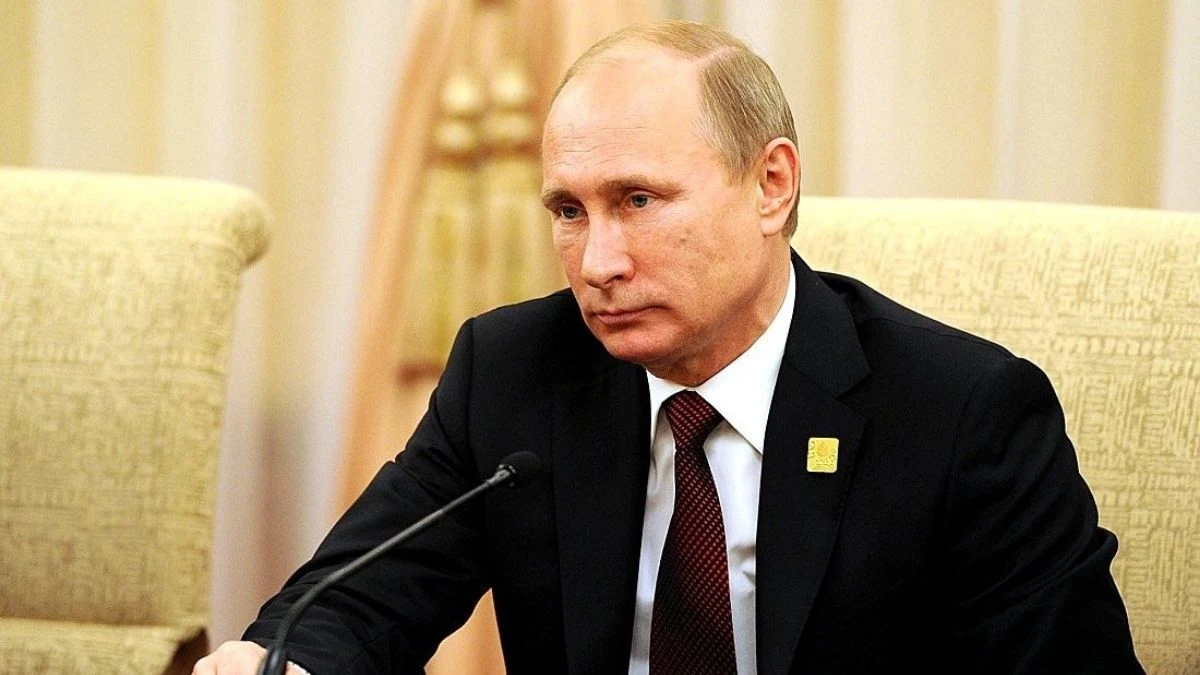

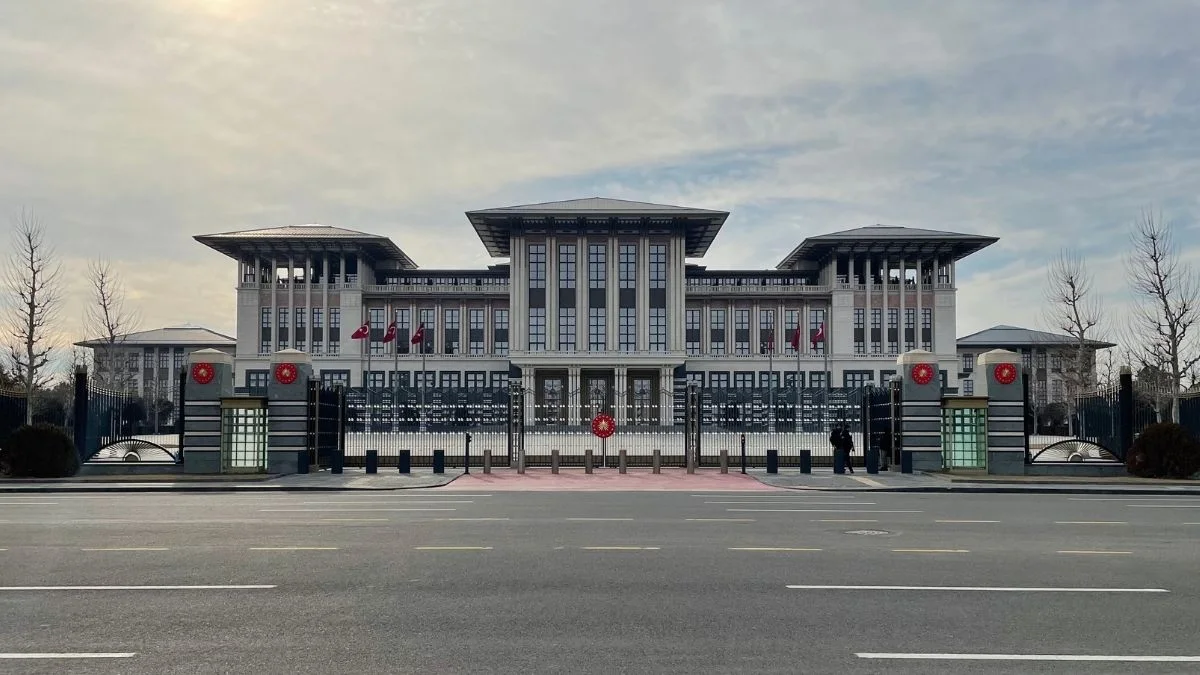
At Beştepe, the first image will be familiar.
Flags. Motorcades. Handshakes. A family photo arranged for the cameras.
But the real story of the NATO summit in Ankara is not the picture. It is the pressure behind it.
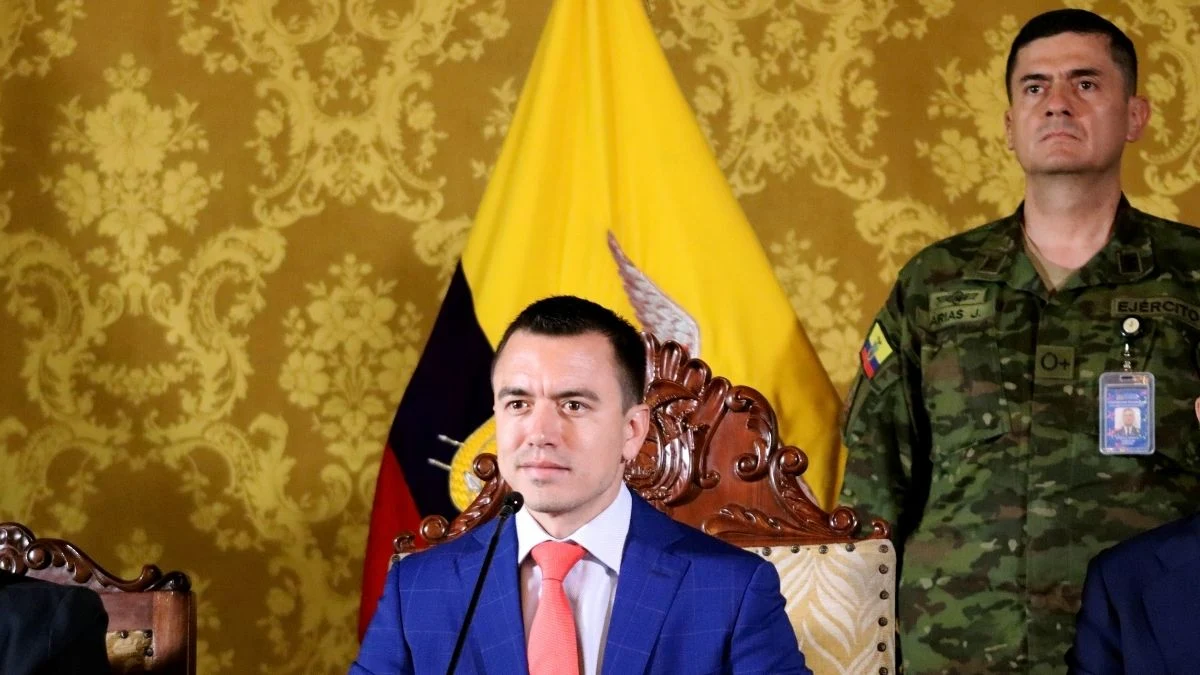
President Recep Tayyip Erdoğan is set to host leaders at the 36th NATO Summit on July 7–8, bringing NATO’s 32 member states to the Turkish capital, according to Anadolu Agency’s report on Erdoğan’s summit schedule.
Erdoğan is expected to meet U.S. President Donald Trump on July 7. A one-on-one meeting and joint press conference are also expected.
That alone would make the summit politically significant.
But Ankara is not simply hosting a diplomatic ceremony.
Türkiye is using NATO’s stage to press a harder question: how can an ally be expected to carry strategic weight while still facing selective restrictions inside the same alliance?
A Summit Built Around Weapons, Money, and Leverage
NATO’s official agenda puts defense investment and industrial production at the center of the summit.
The alliance’s official Ankara Summit page says the NATO Summit Defence Industry Forum will bring together senior officials, industry leaders, and defense production communities in the Turkish capital.
The forum is not a side event.
It is the industrial heart of the summit.
NATO says the forum will focus on the alliance’s 5 percent defense investment plan and on turning that money into increased production, cooperation, and joint procurement.
That language matters for Türkiye.
Ankara has spent years arguing that alliance solidarity cannot mean demanding Turkish contributions while blocking Turkish access to certain defense arrangements.
Reuters reported that Türkiye will use the summit to highlight its growing defense industry and repeat its call for NATO members to lift restrictions on defense trade within the alliance.
That makes the Ankara summit a test of more than spending targets.
It tests whether NATO’s language of unity reaches the supply chain, the procurement table, and the technology file.
Trump, F-35s, and the Bilateral File
The Trump-Erdoğan meeting is likely to become the most watched bilateral moment of the summit.
The public focus will be on tone.
But the real question is substance.
Reuters reported that Erdoğan is expected to press for the lifting of U.S. sanctions and renewed access to the F-35 fighter jet program during talks with Trump.
Türkiye’s demand is not only about one aircraft program.
It is about whether Ankara remains a useful ally in NATO planning but a restricted partner when the conversation turns to high-end defense systems.
That contradiction has been visible for years.
Criterion Post has previously examined Türkiye’s defense independence question through its quantum technology roadmap. The NATO summit now places the same issue on a larger geopolitical table.
Türkiye wants to be treated as a producer, not only a base.
It wants a seat in defense industry planning, not only a role in crisis geography.
The SAMP/T Signal
The same pressure appears in the European file.
France, Italy, and Türkiye have long discussed possible cooperation around the SAMP/T air-defense system.
A separate Reuters report on the SAMP/T discussions said France is open to a possible sale after years of political opposition, though negotiations remain at an early stage.
That does not mean a breakthrough is guaranteed.
But the timing is important.
Air defense is not a symbolic issue for Ankara. It sits at the center of Türkiye’s effort to reduce vulnerability in a region shaped by missile warfare, drone warfare, and repeated escalation.
If NATO is serious about strengthening its southern flank, Ankara will argue that Turkish air-defense needs cannot be treated as a bargaining chip forever.
NATO’s Burden-Shifting Debate
The summit also comes during a wider argument over who pays for NATO’s future.
Reuters reported that the Trump administration has pushed Europe to boost defense investment and take primary responsibility for the continent’s defense.
That pressure has produced a new alliance vocabulary: burden-shifting, industrial scale-up, and European responsibility.
But those terms do not land in Ankara the same way they land in Brussels or Berlin.
Türkiye already sees itself as carrying a heavy strategic load.
It sits on NATO’s southeastern edge. It faces the Black Sea, the Eastern Mediterranean, Syria, Iraq, Iran, and the Caucasus at once.
It also sits near several crisis lines that Western capitals often discuss from a distance.
That is why the summit cannot be reduced to a spending chart.
Criterion Post has also covered NATO’s internal stress under U.S. pressure and the way alliance politics can turn against its own members when Washington’s priorities shift.
The Ankara summit belongs inside that same pattern.
It is not only about whether allies spend more.
It is about who gets to define the alliance’s risks.
Ukraine Is on the Table — But So Is the South
Ukraine remains one of the summit’s central files.
Reuters reported that NATO members are expected to reaffirm support for Kyiv and pledge €70 billion in military equipment, assistance, and training for Ukraine in 2026.
Türkiye’s position on Ukraine has always been more complex than a standard NATO talking point.
Ankara has supported Ukraine’s defense while keeping diplomatic channels with Moscow open.
Some allies dislike that balance.
But it has given Türkiye a role that few NATO states can actually perform.
At the same time, Ankara does not want NATO’s security map to end in Eastern Europe.
The southern flank is not an appendix.
It includes the Eastern Mediterranean, Syria, Iraq, Iran, the Gulf, and Palestine.
That matters because alliance language often treats the region as a security problem without confronting the underlying political wounds.
Palestine is the clearest example.
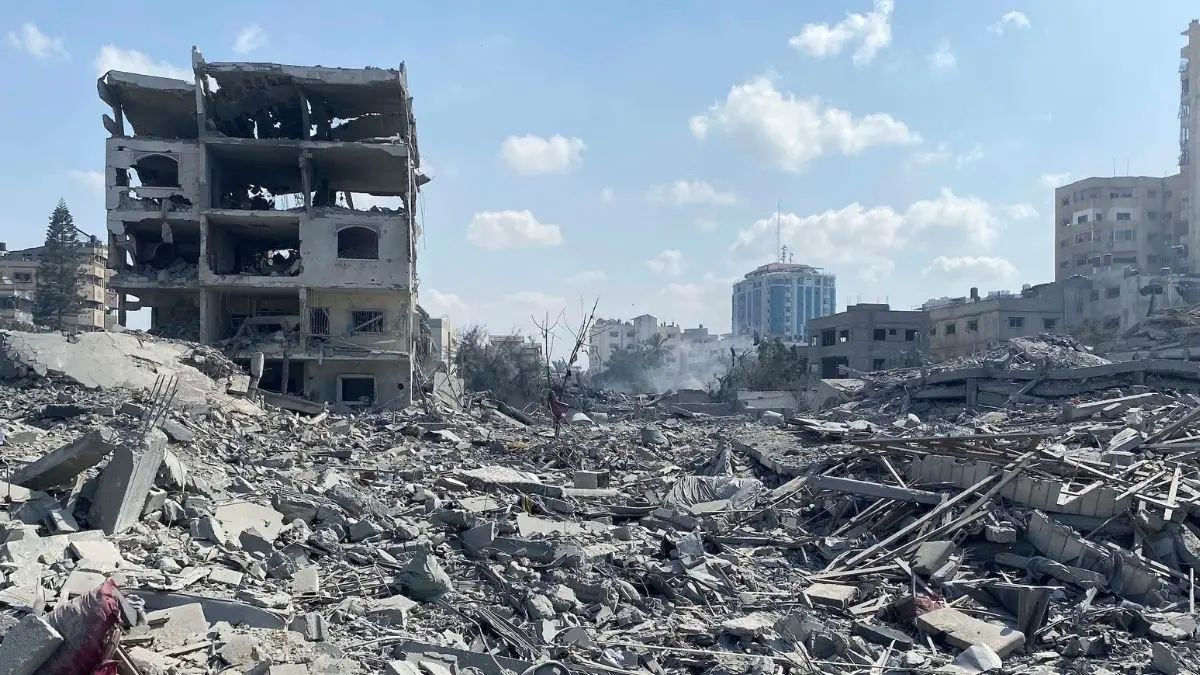
For Türkiye, Israel’s genocide in Gaza and the occupation of the Palestinian territories cannot be reduced to background noise while NATO speaks about stability.
Criterion Post has documented the continuing machinery of occupation in the occupied West Bank. That reality does not disappear because a summit agenda uses cleaner diplomatic language.
The Iran File Behind the Summit
Iran will also sit behind the summit discussions.
Reuters reported that European officials are concerned the Iran war and Trump’s frustration with European governments over their response could overshadow the summit.
That is not a minor file for Ankara.
Any escalation around Iran, the Strait of Hormuz, or the Gulf touches energy routes, regional security, and Muslim populations far beyond NATO’s formal map.
Criterion Post has examined the wider consequences of the Iran file in its coverage of the U.S.-Iran peace deal.
The Ankara summit now places that file beside Ukraine, defense production, sanctions, and alliance spending.
That combination shows why Türkiye’s hosting role matters.
Ankara is not hosting NATO from the edge of the map.
It is hosting from the crossroads of the alliance’s unresolved contradictions.
What Would Count as a Real Outcome?
The summit will almost certainly produce polished statements.
It will produce photos, declarations, and carefully worded unity language.
But Türkiye’s real test is not whether the summit looks successful.
It is whether anything moves after the cameras leave.
Do defense restrictions ease?
Does the F-35 file gain momentum?
Does SAMP/T cooperation advance beyond diplomatic wording?
Does NATO’s southern agenda receive more than polite references?
Does Palestine appear as a question of justice, or only as a risk-management problem?
Those are the questions behind the family photo.
For Erdoğan, hosting NATO leaders gives Türkiye visibility.
But visibility is not the same as leverage.
The summit becomes meaningful only if Ankara can convert protocol into terms — and remind the alliance that Türkiye’s geography, industry, and regional reach cannot be requested in moments of crisis and ignored in moments of negotiation.