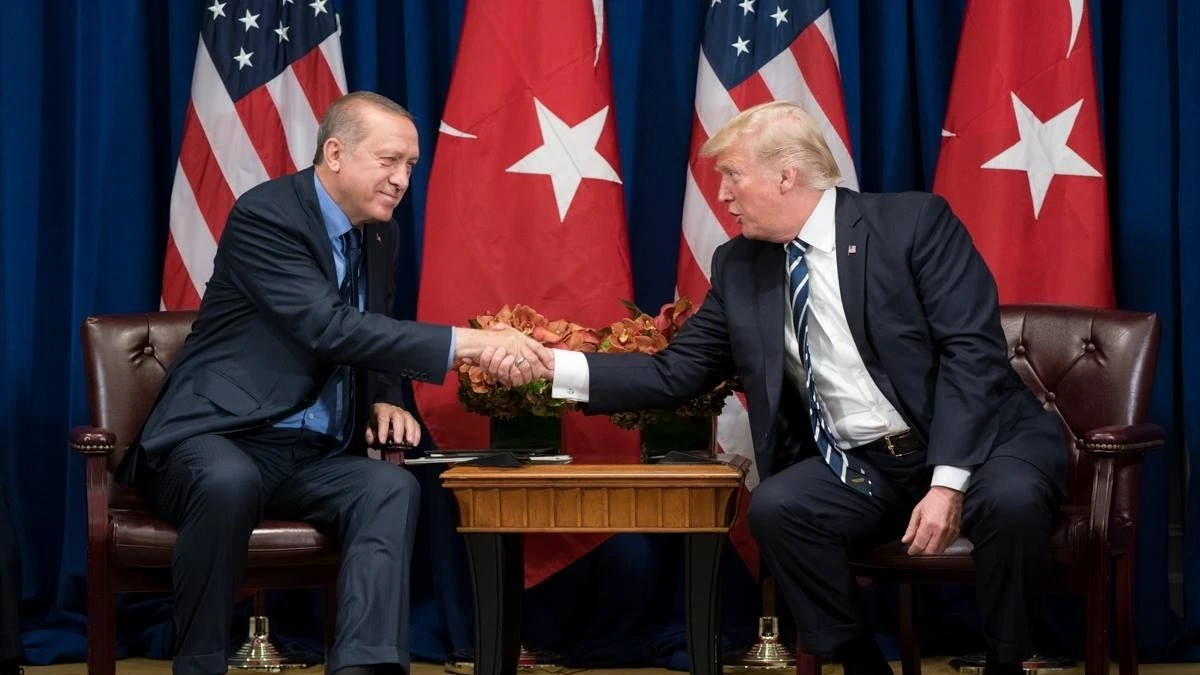


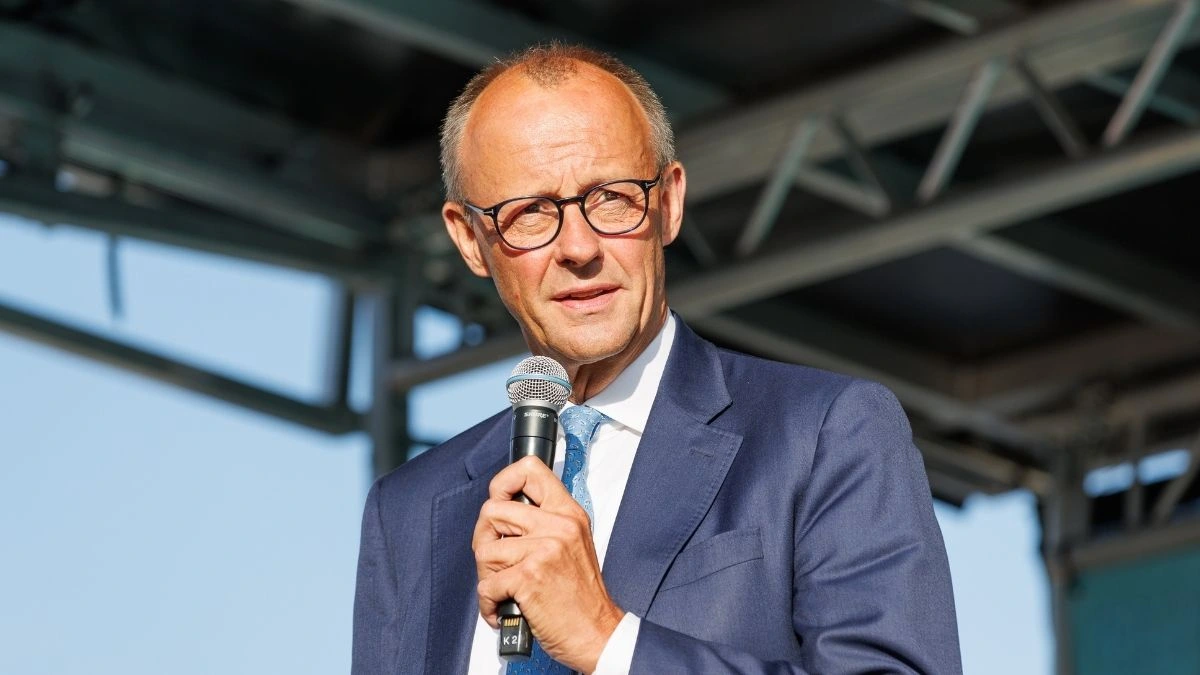
German Chancellor Friedrich Merz stood before reporters in Brussels on Friday and called on Israel to halt settlement construction in the West Bank. EU leaders had just debated new trade measures over Israel’s conduct in the occupied territory. Merz confirmed that Germany rejected those measures. It is the second time in ten months Berlin has done exactly that.
The Brussels Statement
Speaking after Friday’s summit in Brussels, Merz said EU leaders are calling on Israel “to refrain from further escalation through settlement construction in the West Bank.” He added that he had delivered this message directly to Israeli Prime Minister Benjamin Netanyahu more than once.
Spain and Ireland have pushed for tougher trade measures for over a year, backed by more than a dozen member states. Germany has held the opposing line in every vote since. The European Council still instructed the European Commission to draft new restriction options before foreign ministers meet again on July 13.
That instruction followed fresh UN figures on the settlement expansion. Between January 2023 and April 2026, 116 Palestinian communities in the West Bank were fully or partially displaced. At least 5,910 people were forced from their homes. Merz did not contest those numbers; he simply declined to act on them.
A Pattern With Receipts
Germany’s caution sat beside a sharper rupture in Brussels that same week. EU foreign policy chief Kaja Kallas had compared Israeli policy to apartheid, a remark Israel’s foreign minister rejected as antisemitic. Merz told reporters: “I explicitly do not share this choice of words,” distancing Berlin while a senior German lawmaker echoed the same criticism of Kallas.
The EU now imports roughly fifteen times more from Israeli settlements in the West Bank than it imports from Palestinians themselves, EU diplomats told EUobserver this week. Ten to twelve member states want a ban on those settlement imports. Germany is one of five countries blocking it, alongside Austria, the Czech Republic, Hungary, and Slovenia.
Berlin’s position predates this week by months. In March, Merz called Israel’s E1 settlement project — a plan splitting the West Bank in two — “a big mistake.” The European Commission had already proposed suspending Israel’s trade terms last September, over a documented breach of the EU-Israel Association Agreement. Germany withheld support then, and again this week.
What Berlin Calls Caution
Germany’s reasoning is not invented. Its economy ministry says each arms-export license is reviewed individually against humanitarian-law risk. German officials argue that bilateral pressure, from Israel’s second-largest arms supplier, moves faster than trade penalties.
Domestic pressure was real too. Roughly 80 percent of Germans opposed the war’s conduct in Gaza by mid-2025. That number preceded Merz’s announcement, that August, of a partial halt on weapons exports usable in Gaza.
The halt excluded existing contracts and warships. Between September 13 and 22, 2025 — while the halt was technically in effect — Germany still approved €2.46 million in further military equipment for Israel. On November 24, 2025, Germany ended the partial halt altogether, citing the Gaza ceasefire as its reason.
Amnesty International called the reversal “reckless and unlawful,” warning it risked German complicity in what the rights group describes as Israel’s genocide against Palestinians. Total licenses issued from October 7, 2023, through May 2025 had already reached €485.1 million, including anti-tank weapons and gearbox components for Merkava tanks deployed in Gaza.
The Hague Discrepancy
This record carries weight because Germany already testified about it under oath. At the International Court of Justice in April 2024, in a case Nicaragua brought over Gaza, German representatives said arms exports to Israel had dropped sharply. They told the court the Bundeswehr had supplied only medical equipment and helmets since 2023.
Defense Ministry documents, later obtained by Drop Site News and Der Stern, show Germany decided what to tell the court in coordination with Israeli officials, under what one ministry letter called a confidentiality arrangement. A German international-law professor called the arrangement a “political scandal.”
The numbers explain why disclosure mattered. Germany told the court its exports had fallen to roughly €1 million a month by March 2024, with 98 percent classified as non-“war weapons.” Through that window, licenses totaled €251.34 million. The running May 2025 total of €485.1 million meant roughly €233.8 million more arrived after Germany told the World Court its restraint was already in place.
The Court relied on that testimony to deny Nicaragua’s request for emergency measures. The same Court had already found, in its July 2024 advisory opinion, that Israel’s occupation of Palestinian territory and its settlement project violate international law — a finding the UN has repeated in some form since 1967. France ran a similar play at the UN Security Council, voting for ceasefires while demanding Hamas’s formal condemnation in the same breath.
Numbers Brussels Still Has
None of this required new investigation. The Commission’s own 2025 estimate put the cost of suspended preferential terms at roughly €227 million a year for Israel — a fraction of the €15.9 billion in Israeli goods the EU imports annually, smaller still against €42.6 billion in total trade Brussels has chosen not to use.
The European Council meets on the West Bank question again before July 13. Berlin will be in that room, holding the same veto it held in September, and the same arms-export ledger that contradicted what it told the World Court. The settlements Merz calls “a big mistake” continue construction in the meantime.