

Warning sirens sounded at least three times in Bahrain.
Kuwait said its air defences intercepted three ballistic missiles, one cruise missile and 10 drones. Falling debris wounded one person. Qatar briefly raised its security alert before later giving the all-clear.
Iran said its intended targets were American military facilities. The interceptions, falling fragments and disruption, however, occurred inside Gulf states that were not formally at war with Tehran.
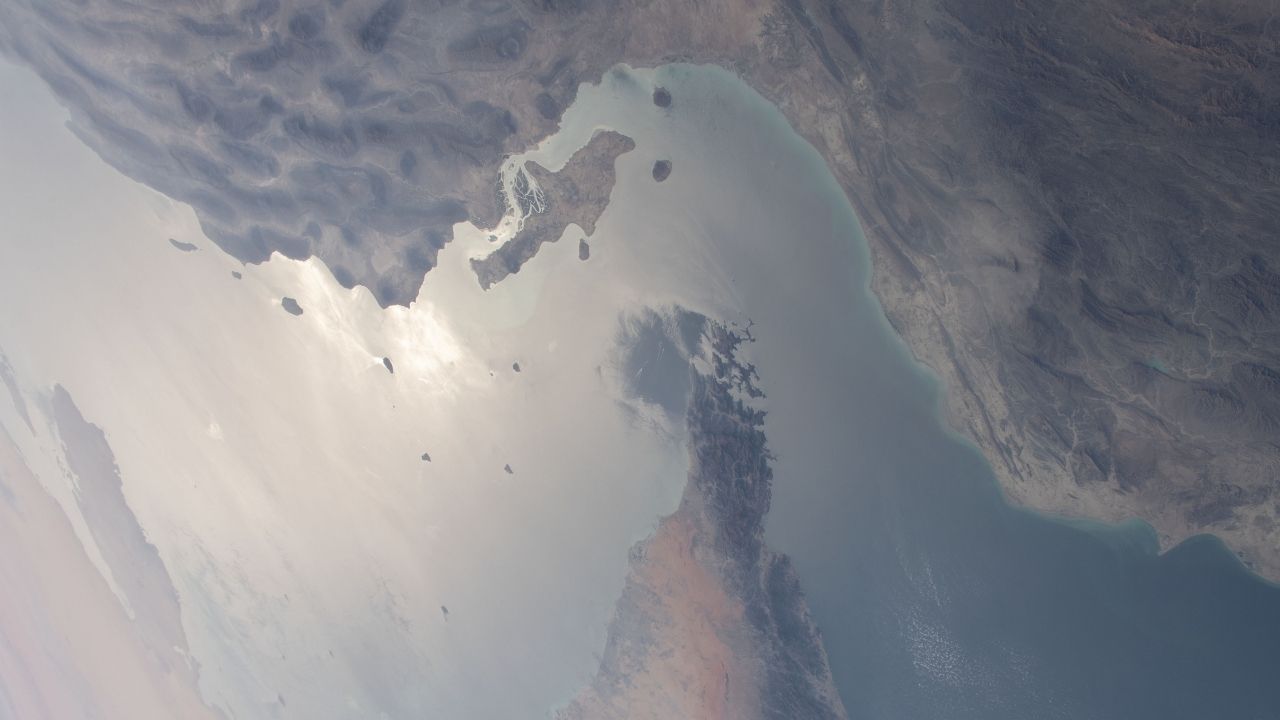
Within hours, a maritime crisis at the Strait of Hormuz had become an air-defence emergency across Bahrain, Kuwait and Qatar.
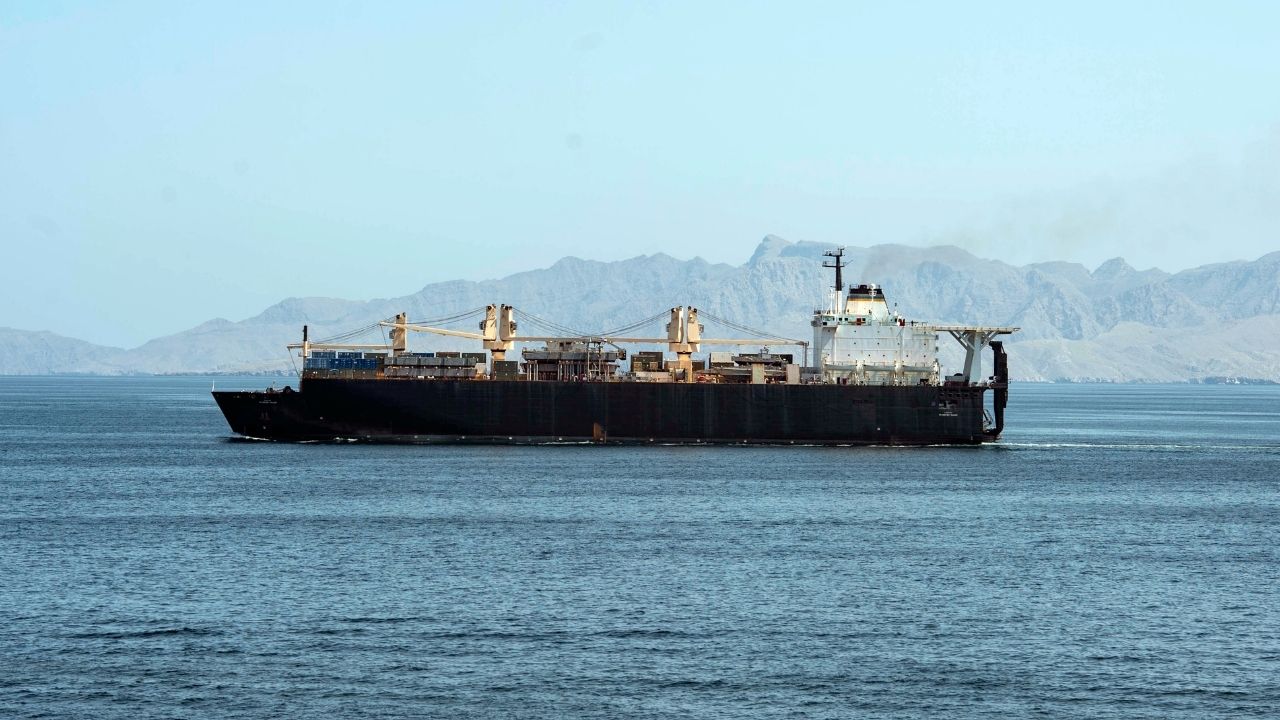
The latest exchange began after three commercial vessels were attacked while transiting the strait. Washington blamed Iranian forces, although Tehran did not claim responsibility.
The United States answered with two large rounds of attacks inside Iran. US Central Command said the first round hit more than 80 targets on July 7. A second round struck approximately 90 sites, including military airfields, missile launchers and other infrastructure.
Iran’s Health Ministry said the two days of American strikes killed at least 14 people and wounded 78, most of them members of the armed forces.
Tehran then attacked sites linked to the United States in Bahrain, Kuwait and Qatar. It also fired toward a base used by American forces in Jordan.
The immediate escalation followed the ship attacks. The wider war did not.
It began on February 28 with joint American and Israeli attacks on Iran, setting off months of warfare, maritime disruption and pressure on energy supplies.
The Truce Failed at Its Most Dangerous Clause
The United States said its new strikes were intended to protect freedom of navigation through Hormuz.
Iran argued that Washington had violated the June agreement and was attempting to dictate arrangements for a waterway whose administration remained one of the most disputed parts of the negotiations.
Both positions grew out of the same document.
Under the 14-point memorandum announced on June 17, the United States and Iran declared an end to military operations and gave themselves up to 60 days to negotiate a final settlement.
Washington agreed to begin lifting its naval blockade. Iran undertook to use its best efforts to provide commercial vessels with free passage through the strait for 60 days, while discussing longer-term arrangements with Oman and other Gulf coastal states.
The agreement therefore reopened traffic without settling the argument over authority.
Washington treated the route as an international waterway that Iran could not control. Tehran maintained that passage would take place through arrangements administered on its side of the strait.
The published text also did not describe a joint process for determining responsibility when a commercial vessel was attacked.
That omission became decisive. The United States acted on its own attribution of the ship attacks to Iran. Tehran said the resulting American strikes breached the agreement first.
The tension was already visible in what Iran accepted and left unresolved under the June memorandum.
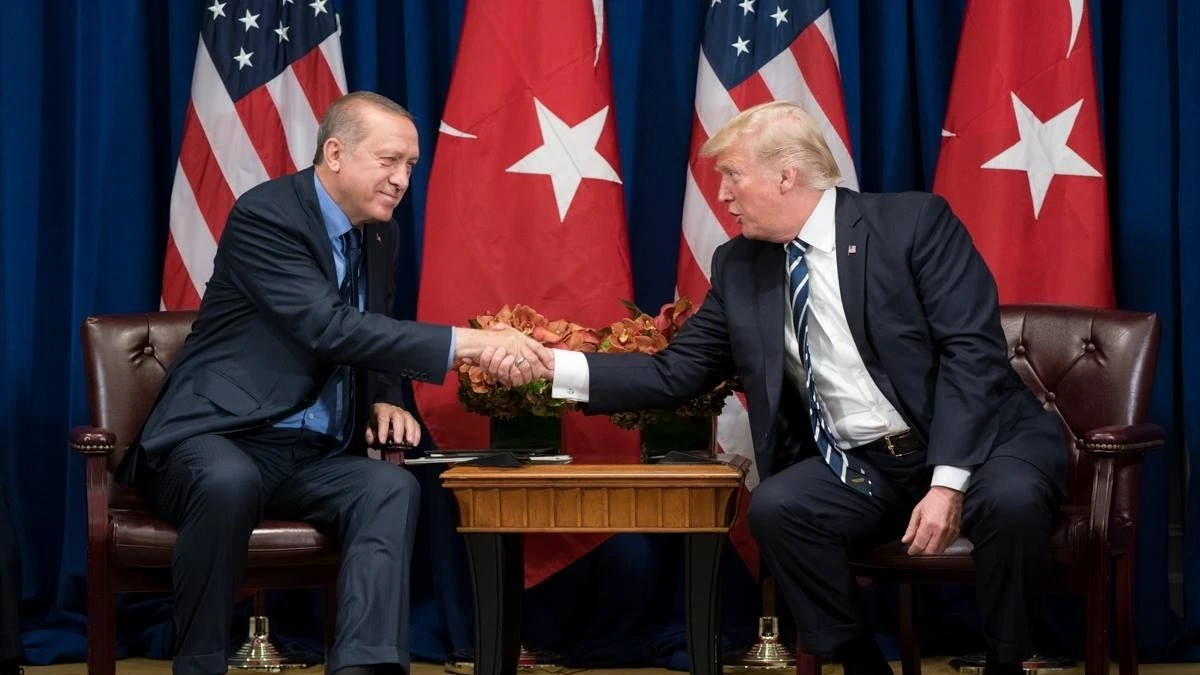
President Donald Trump subsequently described the interim agreement as “over.” Yet a US official later said Washington remained committed to a settlement and that technical talks were continuing, with Qatar working to reduce tensions.
The truce has therefore been breached in practice without being fully abandoned at the negotiating table.
A Defence Network That Also Draws Fire
Iran’s stated target list closely followed the structure of the American military presence in the Gulf.
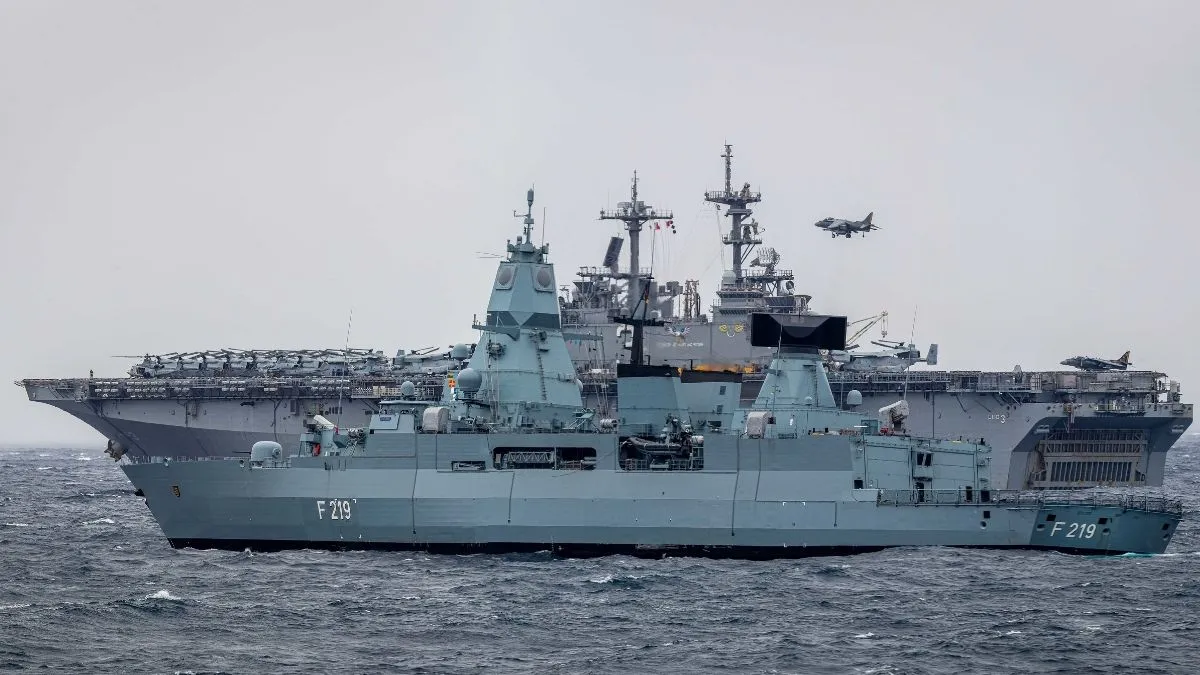
Bahrain hosts the headquarters of the US Navy’s Fifth Fleet. Its operational area covers the Arabian Gulf, Gulf of Oman, Red Sea and parts of the Indian Ocean, including the Strait of Hormuz, Bab al-Mandeb and Suez approaches, according to the US Navy’s official regional description.
At Al Udeid Air Base in Qatar, the Combined Air Operations Center directs air operations across the wider US Central Command region. The base also hosts CENTCOM’s forward headquarters and numerous American and coalition units.
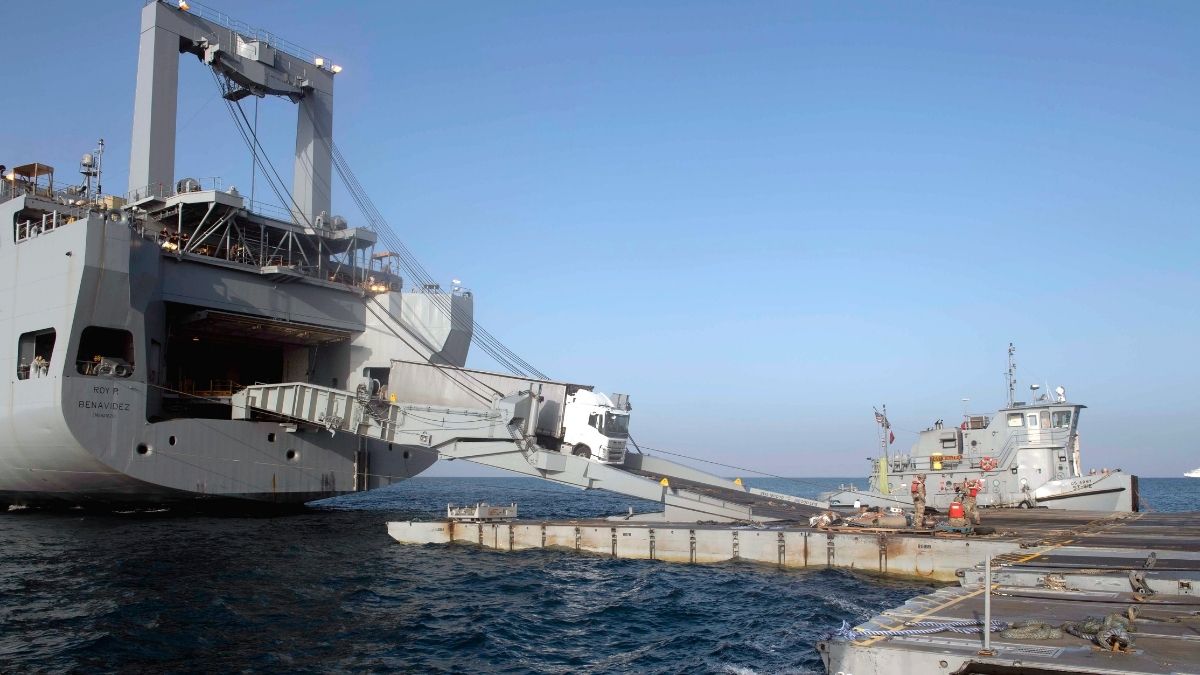
In Kuwait, Camp Arifjan supports American logistics and stores pre-positioned equipment for operations across the region. The US Army describes the facility as a hub for receiving, maintaining and issuing military stocks.
Supporters of this system can point to the interception record.
Kuwait destroyed missiles and drones. Bahrain reported that it intercepted incoming threats. Jordan said all fire entering its airspace had been stopped. These defensive systems can limit casualties and physical damage.
But interception success does not answer the larger question.
The same installations that provide radar coverage, logistics and air defence are fixed parts of the American military system. When Washington attacks Iran, Tehran has military targets available inside Bahrain, Kuwait and Qatar without having to reach American territory.
A missile aimed at US equipment still crosses into the host country’s airspace. Any falling debris, disruption or miscalculation is borne locally.
Iran is responsible for launching weapons into those states. Describing the facilities as American targets does not remove Bahrain, Kuwait or Qatar from the danger or lessen the violation of their territory.
At the same time, the latest exchange raises a question Gulf governments cannot avoid: how much influence do they possess over American military actions that may provoke retaliation against facilities on their own territory?
Hormuz Turns Military Risk Into Economic Risk
The effects are not confined to bases.
Before the war, between 125 and 140 vessels crossed the Strait of Hormuz each day. Traffic had recovered to an average of around 40 vessels before the latest fighting, the highest level since the conflict began but still far below normal.
The renewed exchange slowed tanker movements again and pushed some vessels to switch off tracking systems or delay passage.
The International Energy Agency’s July oil report said global supply recovered by 4.1 million barrels per day in June as flows through Hormuz partially resumed. Even after that rebound, world output remained 9.4 million barrels per day below its pre-war level.
The agency warned that a lasting settlement was necessary for oil markets and shipping to return to normal.
That makes every new attack more than a military event.
It affects freight decisions, shipping insurance, energy supply and the operating costs of economies throughout the Gulf. Countries hosting American installations carry these consequences even when the immediate military exchange is between Washington and Tehran.
The Gulf’s Security Bargain Is Under Review
The American military presence offers capabilities that Gulf states cannot quickly replace. Integrated air defence, surveillance, training and logistics have practical value, as the latest interceptions demonstrated.
Yet those benefits now come bundled with a visible exposure.
The Gulf basing system places strategically valuable American facilities inside countries whose governments are trying to avoid direct war with Iran. When the United States escalates, those facilities become available for retaliation.
The central question is therefore no longer whether the network can intercept missiles. It can, as the latest interceptions showed.
The harder question is whether it keeps Gulf states safer overall—or ties their airspace and infrastructure to wars whose pace is set elsewhere.
The latest exchange made the cost visible. American installations were the stated targets, but Bahrain, Kuwait and Qatar heard the sirens.