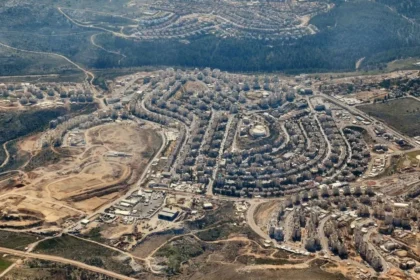


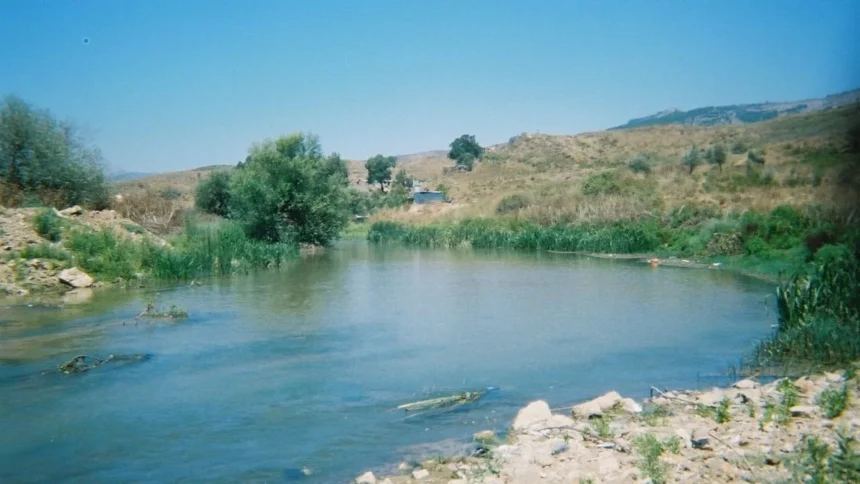
Israeli armored units have pushed 30 kilometers into Lebanese territory, crossing the Litani River in a massive late-May escalation.
The 36th Division’s advance is synchronized with heavy bombardments of Tyre and Sidon. This campaign has permanently displaced 1.6 million civilians. Yet, the timing of this destruction is dictated not by border skirmishes, but by diplomatic maneuvers occurring thousands of miles away in Washington.
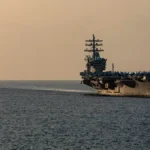
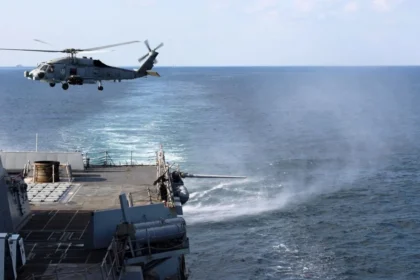
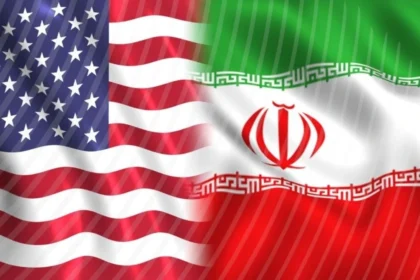
Mediators from Qatar and Oman are finalizing a 60-day memorandum of understanding between the United States and Iran. The primary objective is reopening the Strait of Hormuz to relieve global energy pressures.
The tentative agreement requires Tehran to clear naval mines in exchange for frozen asset releases and the transfer of enriched uranium to Kazakhstan. However, Iranian negotiators demand that any ceasefire explicitly includes the Lebanese front. Israel categorically rejects this, insisting on severing its northern operations from the broader regional framework.
Engineering a Demographic Shift
The military objective extends beyond neutralizing Hezbollah outposts. The IDF is engineering a permanent demographic reality. By enforcing a 10-kilometer “Yellow Line,” military bulldozers and explosives are systematically flattening rural communities to build an uninhabitable buffer zone.
Urban centers offer no sanctuary. A residential complex in Sidon’s Qiyaa neighborhood, housing displaced families, was recently leveled, killing five civilians. In Tyre, airstrikes severely damaged Hiram Hospital and struck dangerously close to UNESCO-protected archaeological zones. This indicates a doctrine targeting infrastructure and historical memory alike.
The Collapse of Multilateral Restraint
International oversight mechanisms have entirely fractured under the weight of this campaign. The United Nations Interim Force in Lebanon (UNIFIL) recently documented 670 projectile trajectories in a matter of days — the highest density of military activity since mid-April.
The mandate established by Resolution 1701 exists only on paper. Peacekeepers have been killed, and IDF forces have actively blocked UN-marked medical convoys.
Simultaneously, a Lebanese military delegation led by Brig. Gen. George Rizkallah met at the Pentagon on May 29. They demanded an unconditional ceasefire and the deployment of the Lebanese Armed Forces along the border. In direct contrast, IDF Chief of Staff Eyal Zamir stated his troops would maneuver wherever a threat is perceived. The Israeli command is employing a “fight and talk” doctrine to maximize positional advantage.
Racing Against the Diplomatic Clock
Most international coverage treats the expanded Lebanese ground campaign and the Strait of Hormuz negotiations as distinct crises. The data shows they are structurally tethered.
The Israeli war cabinet recognizes that a finalized US-Iran agreement will generate immense pressure from Washington to freeze all regional operations.
The accelerated armored push toward the Litani River is a race to establish a geographic fait accompli before that diplomatic clock expires. If the United States signs the 60-day truce while permitting the decoupling of the Lebanese theater, the resulting isolation will leave southern Lebanon entirely exposed to an engineered demographic collapse.